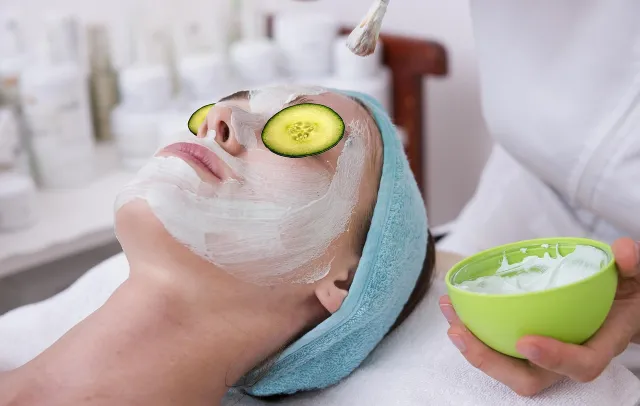
The Complete Guide to Double Cleansing: Oils, Balms and Waters to Foams, and the Right Method for Your Skin Type
Every K-beauty routine starts with cleansing. We explain why double cleansing matters, the types of first and second cleansers, how to choose for your skin type, the correct step-by-step method, common mistakes and FAQs — everything for skin that's clean yet comfortable.

Contents
Ask skin experts which skincare step matters most and many will surprise you by answering "cleansing". However good your essence and cream, if your skin isn't properly clean they won't absorb well and breakouts become more likely. On the other hand, washing too hard or too often breaks down your skin barrier, bringing dryness and sensitivity.
One of the best-known habits K-beauty has spread around the world is double cleansing. In this guide we explain step by step why double cleansing matters, how to choose products, how it differs by skin type, and the mistakes many people overlook.
What is double cleansing?
Double cleansing is exactly what it sounds like: cleansing in two stages. First, an oil-based cleanser dissolves oily impurities such as makeup, sunscreen and excess sebum. Second, a water-based cleanser (foam, gel and so on) washes away sweat, dust and any remaining residue.
The principle is simple: "oil dissolves oil". Ingredients that don't wash off easily with water, such as sunscreen and waterproof makeup, are hard to remove completely with an ordinary foam cleanser alone. Scrubbing hard or washing several times to force them off irritates your skin. Gently melting them first with an oil cleanser and then doing a light second cleanse reduces irritation while improving cleansing power.
Who needs double cleansing?
Double cleansing isn't essential for everyone every day. It's especially effective:
- On days you wear makeup, especially foundation, cushion compacts or mascara
- On days you apply sunscreen thoroughly (especially waterproof or high-SPF products)
- For oily skin with heavy sebum that easily clogs pores
- After long periods outdoors on high-pollution days in the city
On the other hand, on days you stay home without makeup or sunscreen, or if your skin is very dry and sensitive, a single cleanse with a gentle cleanser may be enough. The key is to adjust your cleanse to "what was on your skin that day".
Types of first cleanser
Cleansing oil
The classic first cleanser. Spread it over a dry face with dry hands and massage, and makeup and sebum melt away. Add a little water to emulsify and it turns milky white and rinses off with water. Its strong cleansing power suits heavy makeup. If you have acne-prone skin, choose products formulated not to clog pores and rinse thoroughly.
Cleansing balm
A solid balm that melts into an oil at body temperature on contact with skin. It doesn't drip, making it easy to use and good for travel, and its moisturising feel makes it popular with dry skin. For hygiene, use the included spatula rather than your fingers.
Cleansing water
A water-type cleanser applied with a cotton pad. Light and convenient, it suits light makeup or busy mornings. But rubbing repeatedly with cotton can cause friction irritation, so soak the pad well, hold it on the skin for a moment and wipe gently.
Cleansing milk or cream
Soft and gentle, these suit dry and sensitive skin. Their cleansing power is weaker than oil, so they're best for light makeup.
| Type | Cleansing power | Best for |
|---|---|---|
| Cleansing oil | Strong | Heavy makeup; oily and combination skin |
| Cleansing balm | Strong | Dry skin, travel, makeup days |
| Cleansing water | Light–medium | Light makeup, busy days |
| Cleansing milk/cream | Light | Dry and sensitive skin; light makeup |
Types of second cleanser
Foam cleanser
The most common second cleanser, used with a rich lather. Its good cleansing power suits oily skin, though some products can leave skin feeling tight. Many low-pH foam cleansers close to the skin's natural acidity are now available, widening the choice for dry and sensitive skin too.
Gel cleanser
A clear gel that lathers little or softly. Low in irritation and refreshing, it suits sensitive and combination skin.
Cleansing powder
A powder mixed with water to form a lather. Enzyme powders help with exfoliation, but daily use can irritate, so two or three times a week is about right.
Facial soap bars
Cleanser in solid soap form. Ordinary soap is strongly alkaline and can dry skin, so choose low-pH or gentle bars made for the face.
The correct double cleanse, step by step
Step 1: Wash your hands
Wash your hands before cleansing your face to avoid transferring bacteria and dirt.
Step 2: Remove eye and lip makeup
For heavy eye makeup or lipstick, soak a cotton pad in a dedicated remover, hold it in place for about ten seconds and wipe gently. The skin around the eyes is thin, so never rub hard.
Step 3: First cleanse
Dispense cleansing oil or balm onto dry hands and spread it over a dry face. Massage gently in circles with your fingertips for about a minute, paying a little extra attention to oily areas such as around the nose and chin.
Step 4: Emulsify
Wet your hands with a little lukewarm water and massage your face again: the oil turns milky white. This is called emulsifying, and it lets the oil mix with water and rinse away cleanly. Skipping it can leave oily residue that clogs pores, so don't miss it. Then rinse thoroughly with lukewarm water.
Step 5: Second cleanse
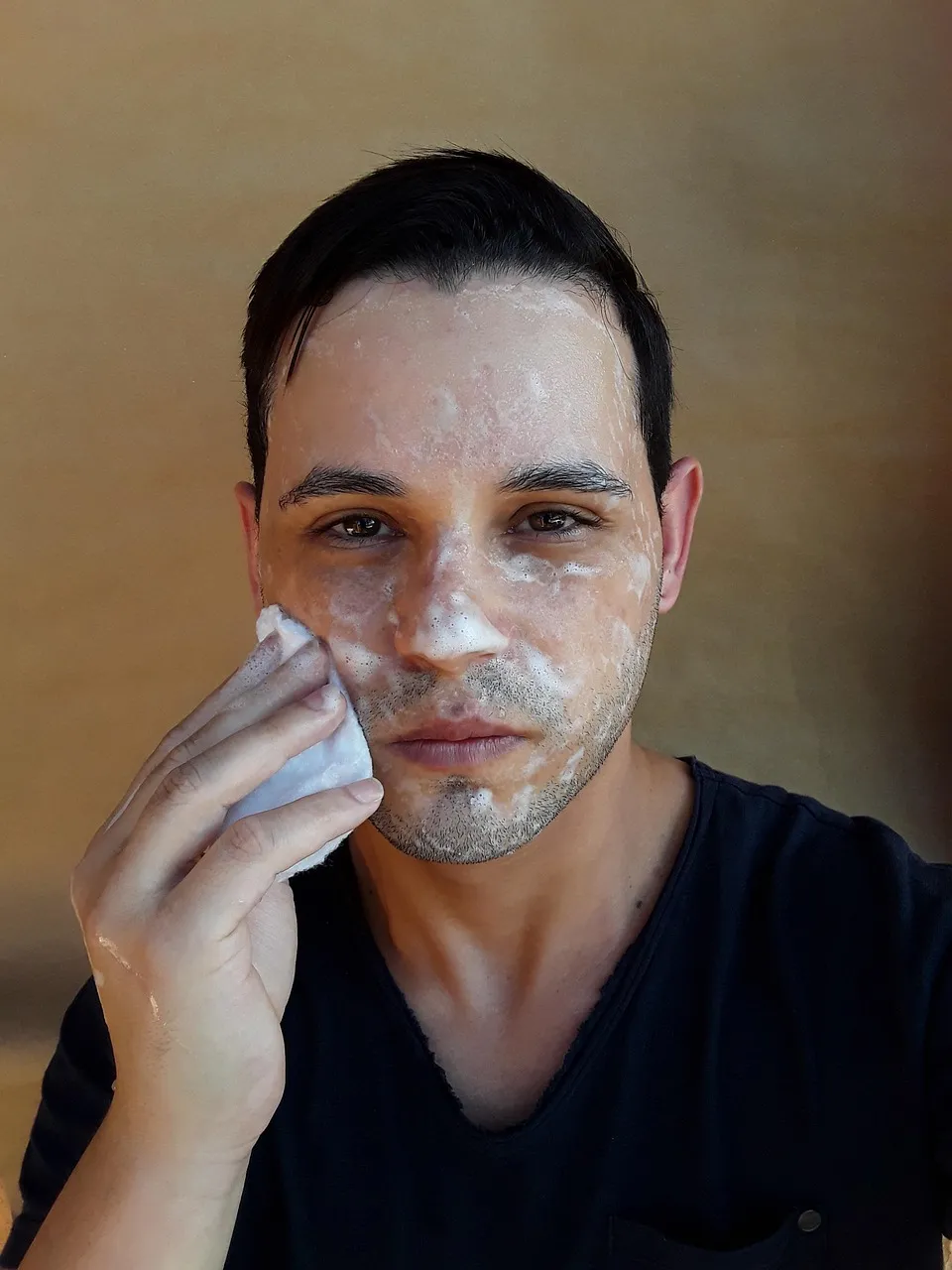
Work a foam or gel cleanser into a good lather in your palms, then apply it to your face. Rather than rubbing with your hands, roll the lather gently over your skin for 30 seconds to a minute. A foaming net makes a dense lather easy.
Step 6: Rinse
Rinse carefully with lukewarm water at least twenty times. Don't miss places where residue lingers, such as the hairline, jawline and behind the ears. Very hot water dries skin, while very cold water doesn't remove impurities well.
Step 7: Pat dry and moisturise
Pat — don't rub — your face dry with a clean towel. Skin loses moisture quickly after cleansing, so apply toner, essence or moisturiser within three minutes.
Double cleansing tips by skin type
Oily skin
Cleansing oil plus foam cleanser works well. Washing hard and often because of excess oil can actually make skin produce more sebum to protect its moisture. Twice a day with moderately strong products is enough.
Dry skin
Use a cleansing balm or milk for the first cleanse and a gentle, low-pH gel or cream cleanser for the second. In the morning, water alone or a very mild cleanser may suffice.
Sensitive skin
Choose gentle products low in fragrance and alcohol. Minimising friction matters most, so cleanse gently with your hands rather than cotton pads or brushes. Patch-test new products behind the ear or under the jaw first.
Acne-prone skin
Choose products formulated not to clog pores, and take care with emulsifying and rinsing so no first-cleanser residue remains. Don't scrub breakouts hard. For severe acne, see a dermatologist.
Combination skin
Cleanse the T-zone thoroughly and the U-zone (cheeks and jaw) lightly. A gentle gel is a safe second cleanser.
Common cleansing mistakes
- Over-cleansing: washing more than three times a day or scrubbing for too long damages the skin barrier.
- Hot water: strips away the skin's natural moisturising factors and causes dryness.
- Skipping emulsifying: oily residue can lead to breakouts.
- Applying cleanser without lathering: the cleanser contacts skin directly, irritating it and making rinsing harder.
- Dirty tools: wash brushes, puffs and foaming nets often and dry them well.
- Rubbing with a towel: friction causes sensitivity and fine lines. Change towels often.
- Delaying moisturiser: freshly cleansed skin loses moisture easily, so moisturise quickly.
How should you cleanse in the morning?
In most cases you don't need to double cleanse in the morning, because you only need to remove overnight sebum and the residue of last night's skincare. Oily skin can use a gentle foam or gel lightly; dry or sensitive skin can make do with lukewarm water or a very mild cleanser. Adjust according to how your skin feels.
Tools that help
- Foaming net: creates a dense lather from a small amount of cleanser.
- Headband: keeps hair off your face so you can cleanse right up to the hairline.
- Silicone cleansing pad: soft nubs gently clean around the pores. Don't press hard.
- Electric cleansing device: can help with exfoliation and pores, but daily use or use on sensitive skin can irritate.
Frequently asked questions
Won't cleansing oil cause acne?
If you emulsify and rinse properly, oil itself rarely causes acne. In fact it can help with pores by cleanly dissolving makeup and sebum. Some ingredients may not suit your skin, though, so test new products before using them.
My skin feels tight after double cleansing.
Your second cleanser may be too strong or you may be cleansing for too long. Switch to a gentle, low-pH cleanser and moisturise straight away.
Do I need to double cleanse if I only wore sunscreen?
For waterproof or long-wearing sunscreens, a first cleanse is recommended. With lighter products, one cleanse with an effective second cleanser is often enough. Follow the guidance on the product.
Final thoughts
Good cleansing isn't about washing more but washing right. Simply adjusting your method to what was on your skin that day and how your skin feels can make it noticeably more comfortable.
Tonight, don't rush: take a full minute to massage the oil slowly. The moment your makeup melts away with the day's fatigue is the beginning of what K-beauty calls "time to look after yourself".