
A Seasonal Skincare Guide: Spring Fine Dust, Summer UV and Oil, Autumn Transitions and Winter Dryness — Skin Care for All Four Seasons
In Korea, with its distinct four seasons, skin concerns change with each season. We cover how skin changes from spring's fine dust and pollen to summer's UV and oil, autumn's sensitive transition and winter's severe dryness, with how to adjust your routine and which ingredients to use.

Contents
- Why does skin change with the seasons?
- Spring: preparing for fine dust and sensitivity
- Summer: battling UV, oil and sweat
- Autumn: protect your barrier through the transition
- Winter: the war against severe dryness
- Seasonal routines at a glance
- Recommended ingredients by season
- Tips for switching products between seasons
- Year-round rules
- Tips for travellers to Korea
- Monsoon season: preparing for the "fifth season"
- How indoor environments affect your skin
- Lips, hands and body matter as much as your face
- Using weather apps to prepare your skin
- A seasonal product-swap table
- Spring pollen and your skin
- Summer breakouts on the back and chest
- Skincare at winter ski resorts
- Korean store displays that change with the seasons
- Keep your own skin diary
- Myths about seasonal skincare
- How diet and sleep shift with the seasons
- Your scalp and hair feel the seasons too
- Frequently asked questions
- Final thoughts
In spring your skin turns dull and sensitive; in summer it gets shiny and breaks out; in autumn it suddenly feels tight and flaky; and in winter it gets so dry that even washing stings. People living with Korea's distinct four seasons experience these changes every year. That's why, in Korean skincare culture, adjusting your routine to the season is completely natural.
Stick to the same products and routine all year and your skin is bound to struggle in some season. In this guide we explain how skin changes with each season and how to adjust your routine. It's also useful for anyone travelling in Korea or living in a similar climate.
Why does skin change with the seasons?
Skin reacts sensitively to environmental changes such as temperature, humidity, UV and wind.
- Humidity: high humidity makes skin feel moist but increases oil and sweat; low humidity makes moisture evaporate quickly.
- Temperature: rising temperatures increase oil production, while falling temperatures reduce it, making skin prone to dryness.
- UV: its strength varies by season, but it's present all year and causes ageing and pigmentation.
- Indoor environments: summer air conditioning and winter heating both dry indoor air.
- Temperature swings: big day–night differences during seasonal transitions strain the skin barrier and cause sensitivity.
Spring: preparing for fine dust and sensitivity
Spring skin
As temperatures rise in spring, oil production gradually increases, but the air is still dry and temperature swings are large. Add yellow dust, fine dust and pollen, and skin easily becomes dull, itchy, red or otherwise sensitive.
Spring skincare points
- Thorough cleansing: fine dust particles are tiny and easily build up in pores. Cleanse thoroughly after being outdoors, and double cleanse if you wore makeup or sunscreen — but don't scrub too hard.
- Calming care: if your skin becomes sensitive, use products with soothing ingredients such as centella (cica), panthenol and aloe.
- Keep moisturising: it's still a dry season, so maintain sufficient moisture, if lighter than in winter.
- Start serious sun protection: spring sunshine is stronger than you'd think, so protect your skin carefully from spring onwards.
- Wear a mask outdoors: on high fine-dust days, a mask helps both your skin and your lungs.
Getting into the habit of checking fine-dust forecasts lets you limit time outdoors on bad days or take extra care of your skin when you get home.
Summer: battling UV, oil and sweat
Summer skin
Korean summers are hot and humid. Increased oil and sweat make shine, clogged pores and breakouts more likely. It's also the season with the strongest UV, raising the risk of melasma, spots and sunburn. Yet spending all day in air-conditioned rooms can actually dehydrate skin from within.
Summer skincare points
- Sun protection first: apply a sunscreen with sufficient protection and reapply every two to three hours outdoors. Use hats, parasols and sunglasses too.
- Light textures: swap heavy creams for gels, water creams and light lotions. The key is to feel fresh while still providing plenty of hydration.
- Oil control: cleanse twice a day but avoid over-cleansing. Once or twice a week, manage pores with a clay mask or BHA product.
- Combat dehydration: in heavily air-conditioned rooms, top up moisture with a mist or water cream.
- Calming: after sun exposure, cool down hot skin with a chilled soothing mask or aloe gel.
- Managing sweat: after sweating, blot gently with a clean handkerchief or tissue, and wash off sweat and oil when you can.
Autumn: protect your barrier through the transition
Autumn skin
Autumn's clear, cool weather is great for travel, but it's a tricky time for skin. Humidity drops sharply and temperature swings grow, weakening the skin barrier and bringing tightness, flaking, itching and sensitivity. Skin can also look dull from the summer's UV.
Autumn skincare points
- Boost moisture: gradually switch from summer's light products to slightly richer ones. Ceramides, hyaluronic acid and panthenol help protect the barrier.
- Gentle cleansing: skin becomes sensitive easily, so use a gentle low-pH cleanser and avoid hot water.
- Manage flaking: gently treat skin thickened over summer with a mild exfoliant about once a week. Over-exfoliating only increases sensitivity.
- Brighten: for dull skin, consider adding vitamin C derivatives or niacinamide.
- Keep using sunscreen: UV is still there as the weather cools. Keep applying sunscreen.
Winter: the war against severe dryness
Winter skin
Korean winters are cold and very dry. Moving between cold outdoor wind and dry heated rooms, skin loses moisture fast. It feels tight and cracked, flakes and, in severe cases, stings or turns red. Lips and hands chap and crack easily too.
Winter skincare points
- Rich moisture: switch to a richly hydrating cream and, if needed, add a face oil or balm to seal moisture in.
- Layering: build hydration in layers by applying toner several times in thin coats or layering essence and cream. In Korea, applying toner multiple times is sometimes called the "7-skin method".
- Moisturise within three minutes of cleansing: in winter, moisture evaporates especially fast after washing, so moisturise right away.
- Lukewarm water: it's tempting to wash with hot water on cold days, but it dries skin further.
- Humidify: use a humidifier or hang a damp towel to keep indoor humidity up.
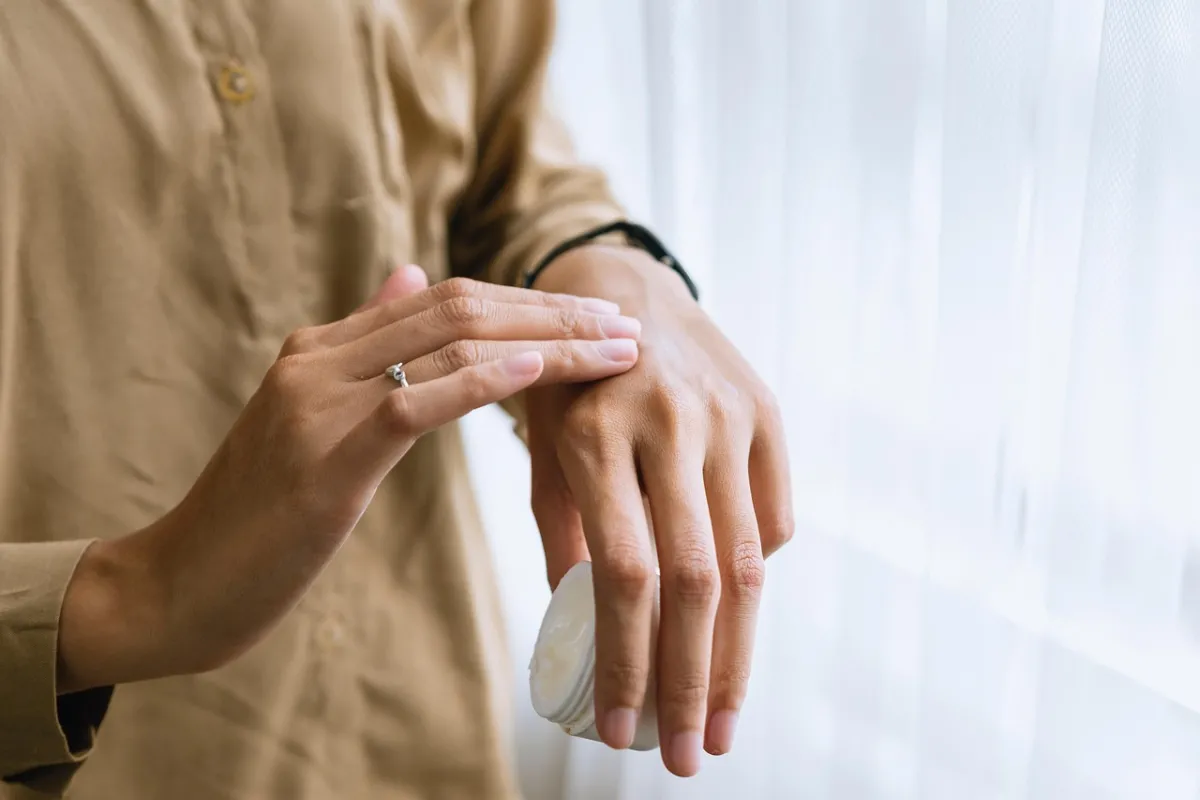
- Look after lips and hands: apply lip balm and hand cream frequently; a thick layer before bed works well.
- Sunscreen in winter too: UV exists in winter, and snow reflects it, making it stronger. Take special care at ski resorts.
Seasonal routines at a glance
| Season | Main concerns | Cleansing | Moisturising | Key points |
|---|---|---|---|---|
| Spring | Fine dust, sensitivity, dullness | Thorough double cleanse | Moderate | Calming; start serious sun protection |
| Summer | UV, oil, breakouts, dehydration | Twice a day; avoid over-cleansing | Light gels and water creams | Sun protection first |
| Autumn | Tightness, flaking, weakened barrier | Gentle low-pH cleanser | Richer | Barrier repair; gentle exfoliation |
| Winter | Severe dryness, cracking | Lukewarm water, gentle cleanse | Rich creams, oils | Layering, humidifying |
Recommended ingredients by season
| Season | Recommended ingredients |
|---|---|
| Spring | Centella (cica), panthenol, aloe, green tea |
| Summer | Hyaluronic acid, niacinamide, tea tree, BHA (once or twice a week) |
| Autumn | Ceramides, hyaluronic acid, vitamin C derivatives |
| Winter | Ceramides, shea butter, squalane, face oils |
Tips for switching products between seasons
- Don't change everything at once: switching all your products at once makes it hard for skin to adapt and hard to find the cause if it reacts. Change gradually, starting with one cream.
- Start with moisturiser: moisturiser is affected most by the change of season, so adjust its texture and richness first.
- Watch your skin: follow your skin's signals rather than the calendar. Moisturise more when it feels tight; go lighter when it's shiny.
- Use up leftovers: store out-of-season products somewhere cool for next year, but check their period-after-opening.
Year-round rules
- Sun protection all year: wear sunscreen every day, whatever the season or weather.
- Enough sleep and water: healthy skin starts with healthy habits.
- Clean tools: wash towels, pillowcases and puffs often.
- Patch-test new products: when using new products for a new season, test them on a small area first.
- See a professional if needed: if breakouts, itching or redness persist, see a dermatologist.
Tips for travellers to Korea
If you're travelling to Korea, prepare your skincare for the season you'll visit: masks and calming products in spring; a portable sun stick and mist in summer; moisturising cream in autumn; rich cream, lip balm and hand cream in winter. Korean drugstores make it easy to find seasonal products, so buying locally is a good option too.
Monsoon season: preparing for the "fifth season"
Korean summers include a special period called 장마 (jangma), the monsoon. Usually running from late June through July, it brings frequent rain and very high humidity, and it deserves its own place in your skincare thinking. High humidity can fool you into thinking your skin is well hydrated, but in reality sweat and sebum mix together, making clogged pores and breakouts more likely.
- Cleanse thoroughly but gently: scrubbing hard several times a day because you feel sticky actually weakens the skin barrier. Washing gently with a low-pH cleanser morning and night is enough.
- Light moisture: finish with a gel moisturiser or hydrating essence instead of a heavy cream. Skipping moisturiser entirely can make your skin produce even more oil.
- Keep up sun protection: UV rays get through the clouds even on grey, rainy days. Choose a product that resists sweat and rain.
- Keep tools clean: in humid weather, bacteria and mould thrive on puffs, brushes and towels. Wash them often and dry them completely somewhere well ventilated.
How indoor environments affect your skin
Seasonal skin changes aren't only about the weather outside. Many Korean homes use ondol, heating that warms the floor, and running it for long hours in winter makes indoor air very dry. In summer, air conditioning strips moisture from the air, so it's common for skin to feel tight in the office even when it's humid outside.
| Situation | What happens to your skin | What to do |
|---|---|---|
| Winter heating | Dry indoor air worsens flaking and tightness | Use a humidifier or hang a damp towel to add moisture, and moisturise generously before bed. |
| Summer air conditioning | Temperature swings and dry air make skin sensitive | Avoid sitting in the direct airflow; reapplying moisturiser works better than spritzing mist. |
| Long office hours | By afternoon, moisture evaporates and oil rises | Keep a small moisturiser, blotting papers and an easy-to-reapply cushion sunscreen on your desk. |
Facial mists feel refreshing as you spray them, but as the water evaporates it can take some of your skin's own moisture with it. If you use a mist, press it in gently with your palms afterwards, or choose one containing moisturising ingredients.
Lips, hands and body matter as much as your face
Lips
Lips have almost no oil glands, so they're the first to react to seasonal changes. In winter, apply lip balm often and never peel flaking skin with your fingers. A thick layer of balm before bed leaves lips much softer by morning. In summer, a lip balm with SPF is a good idea.
Hands
Because hands are washed many times a day, they dry out in any season. Hand cream is such an everyday item in Korea that many people keep one in every bag. Make a habit of drying your hands and applying it right after washing for the best effect.
Body
After a shower, moisture evaporates from the skin quickly. Applying body lotion as soon as you step out of the bathroom, before your skin is completely dry, helps lock moisture in for longer. In winter, long hot showers make dryness worse, so short, lukewarm showers are recommended.
Scalp
In summer, sweat and sebum make the scalp oily quickly; in winter it can dry out and flake. Remember that your scalp is skin too, and adjust your shampoo and how often you wash with the seasons.
Using weather apps to prepare your skin
Korean weather apps and portal sites show not just the temperature but fine-dust and UV indexes too. Checking them before going out lets you adjust your skincare for the day.
| Reading | Meaning | Skincare tip |
|---|---|---|
| Fine dust "good / moderate" (좋음 · 보통) | Air quality is relatively clean | Stick to your usual routine. |
| Fine dust "bad / very bad" (나쁨 · 매우 나쁨) | High fine-dust concentration | Thorough cleansing when you get home is especially important. Spend less time outdoors and wear a mask. |
| UV index "high" or above | Skin can be damaged even in a short time | Apply plenty of sunscreen and reapply every 2–3 hours. Hats and parasols help too. |
In spring, some days also bring yellow dust (황사) blown in from mainland China. On those days, pay extra attention to cleansing so fine particles don't stay on your skin, and focus on calming sensitised skin.
A seasonal product-swap table
You don't need to replace every product when the season changes. Mapping out what to adjust at each step, as in the table below, lets you swap only what's necessary — saving money and sparing your skin.
| Step | Spring | Summer | Autumn | Winter |
|---|---|---|---|---|
| Cleanser | Thorough double cleanse for fine dust | Refreshing gel cleanser | Gentle low-pH cleanser | Moisturising milk or cream cleanser |
| Toner | Calming toner | Light hydrating toner or pads | Moisturising toner | Moisturising toner in several layers |
| Serum | Calming or barrier serum | Light hydrating serum | Barrier-strengthening serum | Nourishing serum, a little oil |
| Moisturiser | Lotion | Gel cream | Cream | Rich cream, balm |
| Sunscreen | SPF 30+ | SPF 50, water-resistant | SPF 30+ | SPF 30+, higher at ski resorts |
Spring pollen and your skin
In spring, pollen as well as fine dust can sensitise the skin. People sensitive to pollen may get itchy eyes or flushed cheeks. Wash your face and hands as soon as you come home, and rather than rubbing your eyes, calm them with cool water. If symptoms are severe, see a dermatologist or doctor. During this season it's safer to keep your routine simple with familiar calming products rather than trying new ones.
Summer breakouts on the back and chest
In summer, breakouts appear easily not only on the face but also on the back and chest, as sweat and sebum trapped under clothing clog pores.
- Shower as soon as possible after sweating from exercise or being outdoors.
- Wear breathable cotton or performance fabrics.
- Wash your hair before your body in the shower so shampoo and conditioner don't linger on your back.
- Using a body wash with BHA two or three times a week may help.
- For sun-flushed skin, a light, cooling product such as aloe gel feels good.
Skincare at winter ski resorts
Ski resorts are harsher on skin than you might think. Snow strongly reflects sunlight, greatly increasing UV exposure, and cold, dry mountain winds roughen the skin.
- Sun protection: apply a high-SPF sunscreen as you would in summer and reapply every two to three hours, paying special attention to the tip of your nose, cheekbones and ears.
- Block the wind: cover as much exposed skin as possible with a neck warmer and goggles.
- Protect your lips: reapply a lip balm with SPF frequently.
- Back home: wash gently with lukewarm water and soothe your skin with a calming mask and moisturising cream.
Korean store displays that change with the seasons
Korean cosmetics stores change their displays noticeably every season. In spring, fine-dust cleansing and calming products take the front of the store; in summer, cooling products and water-resistant sunscreens; in autumn, barrier-strengthening products; and in winter, intensely moisturising creams and hand-cream gift sets. If you visit a store while travelling, the display by the entrance alone tells you what skin worries Koreans have right now.
Keep your own skin diary
Even in the same season, everyone's skin reacts differently, so the most accurate guide is your own record. Try keeping a "skin diary" noting the weather, the products you used and how your skin looked. After just a few months, personal patterns emerge — "my cheeks feel tight on low-humidity days", "I break out on my chin before my period". With these notes, you can prepare in advance when the same season comes round next year.
Myths about seasonal skincare
"You don't need moisturiser in summer"
Even when it's humid, air conditioning and UV can leave skin dehydrated underneath. Keep moisturising, even if only with a light gel. Skipping it can make your skin produce more oil and look even shinier.
"You don't need sunscreen in winter"
UVA, a major cause of skin ageing, shines steadily in winter too. On clear winter days or anywhere with snow, you need to be even more careful.
"If your skin flakes, scrub it off"
Forcibly scrubbing away flakes caused by dryness damages the skin barrier further. Soothe winter flaking with plenty of moisture first, and exfoliate only occasionally with gentle products.
"Hot water gets you cleaner"
Hot water strips away the oils your skin needs and worsens dryness. Whatever the season, lukewarm water is best.
How diet and sleep shift with the seasons
Skin is affected as much by what you eat and how you sleep as by what you apply. In summer, heavy sweating makes it easy to become dehydrated, so drink water often and eat water-rich seasonal produce such as watermelon and cucumber. In winter, people tend to move less and eat richer food, habits that can lead to breakouts. As days shorten in autumn and winter, daily rhythms are easily disrupted, so keep regular sleep and wake times. Getting enough sleep is the most basic care of all, giving your skin time to repair itself.
Your scalp and hair feel the seasons too
Seasonal change affects not only your face but also your scalp and hair. In summer, increased sweat and sebum can make the scalp oily and smelly, so washing your hair in the evening to remove the day's build-up and sunscreen is a good idea. In autumn, you may feel you're shedding more hair than usual — often a natural seasonal phenomenon. In winter, dry air and static can make hair brittle, so moisturise with a hair essence or treatment.
Frequently asked questions
Should oily skin use heavy cream in winter?
Not necessarily. Very heavy creams can cause breakouts on oily skin even in winter, so try adding just one extra hydrating step to your water cream.
What should I do if my skin gets sensitive during seasonal transitions?
Pause new products and exfoliation, and go back to a simple routine of gentle cleansing, calming and moisturising.
Do I need sunscreen on cloudy days?
Yes. UV passes through clouds, so it's best to wear sunscreen on cloudy days too.
Final thoughts
Good skincare isn't a fixed formula but a conversation between the seasons and your skin: paying a little more attention to calming when spring winds blow, to sun protection when summer sun strengthens, to your barrier when autumn air dries out and to moisture when winter cold arrives. Those small adjustments keep skin comfortable all year round.
Today, listen to the skin in your mirror. Adjusting your routine bit by bit to the signals your skin sends is the skincare wisdom that Korea, land of four seasons, has to share.