Korean Retro and Nostalgia Dramas Explained: The Reply Series, Dramas Set in the 1970s, 1980s and 1990s, Newtro Culture, Historical Turning Points on Screen, Period Details to Spot and Where to Start
Some of the most beloved Korean dramas take viewers back to the not-so-distant past: crowded neighbourhood alleys in the 1980s, pagers and cassette tapes in the 1990s, the first idol fandoms and the hardships of the Asian financial crisis. This guide explains why retro dramas resonate so strongly, introduces the Reply series and other key titles, shows how real historical events appear on screen, lists the period details worth spotting and helps you choose where to start.

Contents
- What makes a "retro" Korean drama?
- Why retro dramas resonate so strongly
- The Reply series: the defining retro dramas
- Other retro and nostalgia dramas to know
- Historical turning points you will see on screen
- Period details to spot
- The music of retro dramas
- How retro dramas recreate the past
- Retro films that pair well with retro dramas
- Cultural context that helps
- Everyday life by decade: a quick guide
- Common themes in retro dramas
- How to choose your first retro drama
- Learning Korean with retro dramas
- Frequently asked questions
- Final thought: the comfort of looking back
Not every Korean drama about the past is a royal palace story. Alongside the famous historical sageuk set in the Joseon dynasty, Korean television has created a much-loved genre of dramas set in the recent past: the 1970s, 1980s and 1990s, and sometimes the early 2000s. These retro dramas recreate a world of narrow neighbourhood alleys, coal briquette heaters, cassette tapes, pagers, early idol fandoms and family dinners where neighbours drop by without knocking.
For Korean viewers who lived through those decades, these dramas are a warm journey into memory. For younger viewers and international audiences, they are a window into how quickly Korea has changed. This guide explains why retro and nostalgia dramas are so popular, introduces the most important titles, shows how real historical events appear on screen and points out the period details that make these shows so rewarding to watch.
What makes a "retro" Korean drama?
In Korean, dramas set in the recent past are often described as 시대극 (sidaegeuk, period drama) or, more informally, as 복고 (bokgo, retro) or nostalgia dramas. They differ from sageuk, which usually means historical dramas set before the 20th century. Retro dramas take place within living memory, so many viewers recognise the settings, objects, songs and social atmosphere from their own childhood or youth.
These dramas often focus on ordinary lives rather than kings and generals. Their heroes are high school students, struggling families, young couples, athletes, office workers and neighbours. Historical events appear in the background, shaping the characters' lives without becoming the main story. If you are curious about the older historical genre, our guide to Korean historical dramas explains the world of sageuk.
The rise of "newtro"
Since the late 2010s, Korea has seen a strong trend known as 뉴트로 (newtro), a blend of "new" and "retro". Younger generations who never lived through the 1980s or 1990s have embraced the design, fashion, music and snacks of those decades as something fresh and stylish. Retro cafés, film cameras, vintage fonts and revived snack packaging are part of the same trend, and retro dramas both reflect and feed this enthusiasm.
Why retro dramas resonate so strongly
Rapid change and a sense of loss
Korea transformed with astonishing speed in the second half of the 20th century. Within a few decades, much of the country moved from low-rise neighbourhoods to high-rise apartment complexes, from shared telephones to smartphones and from close-knit alleys to busy cities. Many people feel that something valuable was lost along the way: the warmth of neighbours who shared food, children playing outside until dark and families crowded around one television. Retro dramas recreate that world with affection.
Shared memories across generations
Retro dramas are often watched by families together. Parents recognise the songs and objects of their youth, while children discover what life was like before the internet. Conversations about "what it was really like" become part of the viewing experience, and many viewers say these shows helped them understand their parents better.
Warmth and humour
Many retro dramas belong to the healing and family genre. They balance hardship with humour, friendship and small everyday joys. Even when they show difficult times, they tend to emphasise community and resilience. Our guide to Korean family and healing dramas explores this warm style of storytelling in more detail.
The Reply series: the defining retro dramas
No discussion of Korean retro dramas is complete without the Reply series (응답하라, Eungdaphara), created by director Shin Won-ho and writer Lee Woo-jung for the cable channel tvN. The three dramas share a format: each is set in a specific year, follows a group of friends or neighbours, mixes comedy and emotion and includes a long-running mystery about who the heroine eventually marries, revealed through scenes set in the present day.
| Drama | Year of broadcast | Setting | Main themes |
|---|---|---|---|
| Reply 1997 | 2012 | Busan, late 1990s | High school friendship, first love and the early idol fandom culture |
| Reply 1994 | 2013 | A boarding house in Seoul, mid-1990s | University students from different regions, dialects, basketball and pop culture of the 1990s |
| Reply 1988 | 2015–2016 | An alley in Ssangmun-dong, Seoul, late 1980s | Five neighbouring families, friendship, parents and children and the 1988 Seoul Olympics era |
Reply 1997: the birth of fandom culture
The first Reply drama follows a group of high school friends in Busan, including a heroine who is a passionate fan of a first-generation idol group. It captures the early days of organised K-pop fandom, with fan clubs, posters, radio requests and rivalry between fan groups. For many viewers, it was the first drama to portray fandom with affection and humour. Our guide to K-pop generations explains how the first idol era began.
Reply 1994: students in the big city
The second drama follows university students from different regions of Korea who live together in a boarding house in Seoul. Their different regional dialects are a major source of humour and warmth, and the drama recreates the pop culture of the mid-1990s, from college basketball fever to the music of the time.
Reply 1988: the neighbourhood as family
The third and most acclaimed drama is set in a small alley where five families live side by side. Children grow up together, parents share food and worries, and the line between neighbours and family almost disappears. Reply 1988 is often described as one of the most loved Korean dramas ever made, and it is frequently recommended to newcomers who want a warm, slow-paced story. Its soundtrack, made up largely of remakes of classic songs, became hugely popular as well.
Other retro and nostalgia dramas to know
Twenty-Five Twenty-One
Twenty-Five Twenty-One (tvN, 2022) begins in 1998, during the Asian financial crisis, often called the IMF crisis in Korea. It follows a young fencer whose school team is disbanded because of the economic crisis, and a young man whose family has lost everything. The drama blends youthful romance, sports and the hardships of the era, and it captures the determination of young people trying to hold on to their dreams.
When Life Gives You Tangerines
When Life Gives You Tangerines (Netflix, 2025) follows a woman born on Jeju Island and the man who loves her, across several decades from the 1950s onwards. It portrays Jeju's changing way of life, family hardships and the passing of time with great tenderness, and it was widely praised for its emotional depth.
Dramas that touch on modern history
Some dramas use the recent past to explore significant moments in Korean history. Youth of May (KBS2, 2021), for example, is a love story set in the spring of 1980 in Gwangju, against the background of the Gwangju Uprising. Dramas like this approach history through personal stories and can be emotionally intense, so it is worth reading about the historical context before or after watching.
Time-slip nostalgia
Another approach sends a modern character back to the recent past. In Lovely Runner (tvN, 2024), a young woman travels back to 2008 to save a singer she admires, and the drama enjoys recreating the fashions, phones and campus life of the late 2000s. Business dramas such as Reborn Rich also revisit recent decades, showing real economic events through a fictional story.
Historical turning points you will see on screen
Retro dramas often weave real events into their stories. Knowing a little about these moments will help you understand why characters react as they do.
| Period | Event or change | How it often appears in dramas |
|---|---|---|
| 1970s | Rapid industrialisation and urban migration | Families moving to Seoul for work, factory life and cramped housing |
| 1980s | Political turmoil and democratisation movements | Student protests, tension between generations and characters affected by the events of the time |
| 1988 | The Seoul Olympics | National excitement, new television sets, children dreaming of the future |
| Early to mid-1990s | Pop culture boom and the start of idol music | Fan clubs, radio shows, cassette tapes, pagers and new dance music |
| 1997–1998 | The Asian financial crisis (IMF crisis) | Bankrupt companies, lost jobs, family debts and the gold-collecting campaign |
| 2002 | The FIFA World Cup co-hosted by Korea and Japan | Crowds cheering in red shirts, a sense of national joy and youthful optimism |
Dramas are fiction, and they sometimes simplify or dramatise history. They are a good starting point for curiosity, but reading reliable historical sources gives a fuller picture.
Period details to spot
Retro dramas are famous for their careful recreation of everyday life. Watching for these details is a big part of the fun.
- Pagers (삐삐, ppippi): before mobile phones became common, people sent numbers to pagers and then called back from a public phone. Number codes such as 8282 (hurry up) and 1004 (angel) were popular.
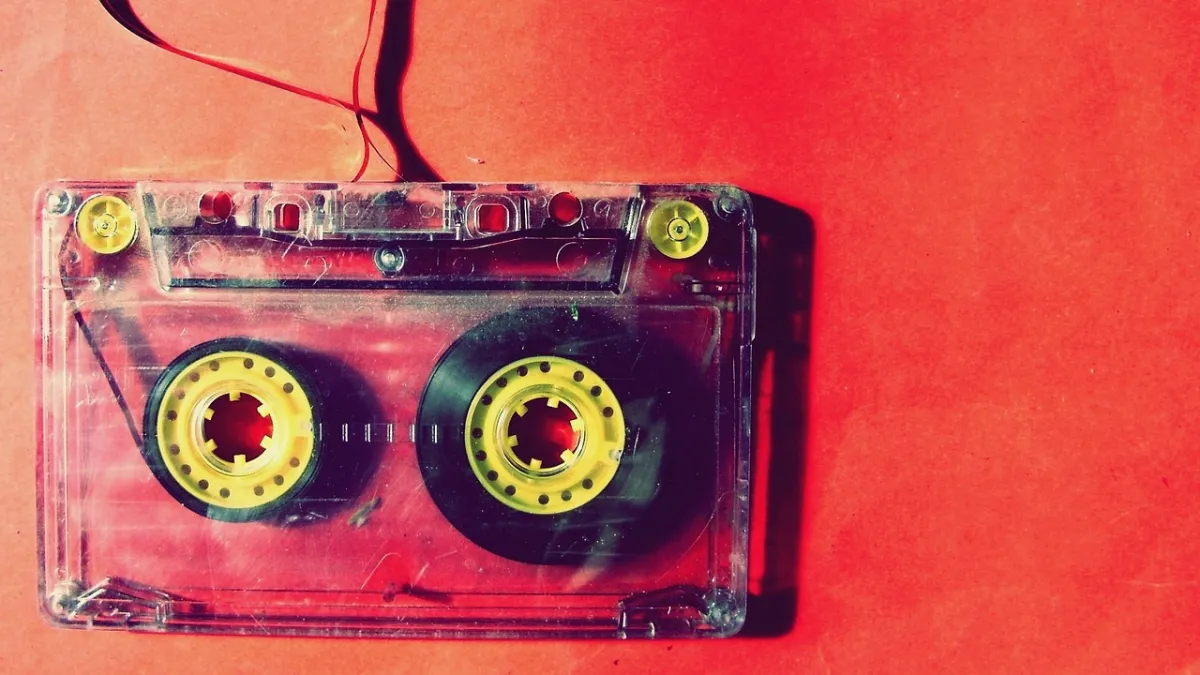
- Cassette tapes and Walkman-style players: recording songs from the radio and making mix tapes for a crush.
- Coal briquettes (연탄, yeontan): used for heating homes in older neighbourhoods, often carried in stacks.
- Landline telephones: families sharing one phone, and nervous calls to a crush's home where a parent might answer.
- Video rental shops and VHS tapes: weekend movie nights with rented videos.
- School uniforms and hairstyles: changing rules and styles across the decades.
- Snacks and packaging: classic snacks, many of which still exist today with updated or retro packaging.
- PC bangs and early internet: dial-up connections, chat rooms and the first online games in late-1990s settings.
The music of retro dramas
Music is central to the retro drama experience. Many of these shows use real hit songs from the period they portray, either in original recordings or in new remakes for the soundtrack. Hearing a famous ballad or dance track from the 1980s or 1990s instantly sets the mood for older viewers and introduces younger viewers to classic Korean pop.
Remakes of older songs for drama soundtracks have often become hits in their own right, sending listeners back to the original versions. Our guide to K-drama OSTs explains how soundtracks are made and why they matter so much to Korean dramas.
How retro dramas recreate the past
Recreating a neighbourhood from decades ago is a major production challenge. Many of the old alleys and low-rise houses seen in retro dramas have been demolished or redeveloped, so production teams often build detailed sets or film in preserved areas outside Seoul. Props such as old televisions, furniture, packaging and signage are collected or reproduced carefully. Costume teams research the fashions of each year, and hair and makeup teams recreate the styles of the period.
Some of these sets and preserved streets have become places fans like to visit. If you enjoy visiting places from your favourite shows, our K-drama filming locations guide offers tips on planning visits respectfully.
Retro films that pair well with retro dramas
Korean cinema has also produced many nostalgic films set in the recent past. A few well-known examples include:
- Sunny (2011): a comedy-drama that moves between the present and the 1980s, following a group of high school friends who reunite as adults.
- Architecture 101 (2012): a romance that alternates between a first love in the 1990s and a reunion years later.
- Films about the 1980s and 1990s: many Korean films revisit this era, covering topics from youth and romance to politics and social change, with tones ranging from light comedy to serious drama.
These films are a good choice if you want a shorter taste of the retro atmosphere before committing to a long series.
Cultural context that helps
Neighbourhood life and 정 (jeong)
Retro dramas often celebrate 정 (jeong), a Korean word for the deep affection and bond that grows between people over time through shared experience. In the alley of Reply 1988, jeong is everywhere: neighbours bringing side dishes, parents scolding each other's children and friends who are closer than siblings. Understanding jeong helps explain why these stories feel so warm.
Family structure and gender roles
Retro dramas show family life as it was in earlier decades, including more rigid gender roles, strict parents and strong expectations around education and marriage. Many dramas present these traditions with both nostalgia and a critical eye, showing characters who struggle against them. It is interesting to compare these portrayals with how family life is shown in contemporary dramas.
Regional dialects
Retro dramas often feature strong regional dialects, especially from Busan and the Gyeongsang region, the Jeolla region and Jeju. Dialect is used for humour, warmth and character. If you are learning Korean, you may notice that some characters sound very different from the standard Seoul speech you study.
Everyday life by decade: a quick guide
Each decade has its own atmosphere on screen. Knowing the general picture helps you place a drama in time and notice how the details change.
The 1970s
Dramas set in the 1970s often show a country in the middle of rapid industrialisation. Families leave the countryside for Seoul, live in small rented rooms and work long hours in factories, markets or small shops. Black-and-white or early colour televisions are treasured possessions, and children play in dirt alleys. The tone is often bittersweet, mixing poverty and hard work with strong family bonds and hope for a better future.
The 1980s
The 1980s on screen are a time of change and contrast. Colour television spreads, neighbourhoods fill with children, and the 1988 Seoul Olympics bring national pride and excitement. At the same time, the decade was marked by political tension and democratisation movements, which some dramas portray directly and others hint at in the background. Fashion becomes bolder, with permed hair, bright jackets and sneakers that teenagers dream of owning.
The 1990s
The 1990s are often shown as a decade of youthful energy and pop culture. Dance music, idol groups, music shows and fan clubs take off. Pagers, then early mobile phones, change how young people communicate, and PC bangs and dial-up internet appear by the end of the decade. The mood shifts sharply after 1997, when the financial crisis brings job losses, bankruptcies and anxiety to many families, a contrast that dramas use to powerful effect.
Common themes in retro dramas
- First love: innocent, awkward romances, often told through letters, phone calls and mix tapes.
- Friendship: tight groups of friends who grow up together and stay loyal through hard times.
- Parents and sacrifice: parents who work tirelessly for their children, often shown from the adult child's later perspective.
- Community: neighbours who share food, help each other and know everyone's business.
- Growing up: the transition from childhood to adulthood against the background of a changing country.
How to choose your first retro drama
| If you want… | Try… | Why |
|---|---|---|
| A warm neighbourhood story | Reply 1988 | Slow-paced, funny and deeply emotional, with an ensemble cast |
| Fandom and teenage friendship | Reply 1997 | Shorter, lively and full of 1990s pop culture |
| Youth romance with real hardship | Twenty-Five Twenty-One | Sports, friendship and the IMF crisis |
| A life story across decades | When Life Gives You Tangerines | A sweeping family story set on Jeju Island |
| A light time-slip adventure | Lovely Runner | Romance and comedy with late-2000s nostalgia |
Retro dramas tend to be longer and slower than thrillers. Give them a few episodes to establish their characters; the emotional payoff often grows as you get to know everyone.
Learning Korean with retro dramas
Retro dramas can be useful for language learners, with some caution. They are full of family conversations, everyday vocabulary and emotional expressions, which makes them great for listening practice. However, some slang and expressions are dated, and strong regional dialects may be hard to follow at first. Use Korean subtitles, focus on phrases that are still common today and enjoy the dated slang as a bonus. Our guide to learning Korean with dramas explains how to turn watching into effective study.
Frequently asked questions
Do I need to watch the Reply series in order?
No. Each drama has its own story and characters, so you can start with any of them. Some actors appear across the series in different roles, and there are small connections, but they are independent.
Which Reply drama is the most popular?
Reply 1988 is generally the most acclaimed and is often recommended first, although many fans have a personal favourite among the three.
What is "newtro"?
Newtro, a blend of "new" and "retro", is a trend in which younger Koreans enjoy the design, fashion, music and products of past decades as something fresh and stylish.
Are retro dramas historically accurate?
They recreate everyday life with great care, but they are fiction. Events may be simplified or dramatised, so they are best treated as a starting point for learning about the period.
Why do retro dramas use so many old songs?
Music from the period instantly evokes memories for older viewers and sets the atmosphere for everyone. Remakes of old songs for the soundtrack also introduce classic music to new audiences.
Are retro dramas suitable for family viewing?
Many are, especially warm neighbourhood dramas. Some deal with difficult historical events or mature themes, so check the age rating before watching with children.
How are retro dramas different from sageuk?
Sageuk are historical dramas usually set before the 20th century, often in royal courts, with traditional clothing and formal historical language. Retro dramas are set within living memory, mostly from the 1970s to the early 2000s, and focus on ordinary people, modern clothing and everyday speech. Both explore the past, but retro dramas feel much closer to the present, and many viewers recognise their settings from their own lives or their parents' stories.
Final thought: the comfort of looking back
Korean retro dramas offer something rare: the chance to step into a world that is close enough to remember but far enough away to feel almost magical. Whether it is a crowded alley in 1988, a dormitory full of dialects in 1994 or a fencing hall in the shadow of the financial crisis, these stories remind us how much has changed, and how much has stayed the same. Friendship, family, first love and the courage to keep going are timeless. Choose one, settle in for the long run and let the old songs and familiar faces carry you back. Even if you never lived through those decades, you may find yourself feeling nostalgic by the final episode.