The Complete Guide to Korean Banchan: What Side-Dish Culture Means, Classic Banchan by Type and Five Basic Banchan to Make at Home
Order a main dish at a Korean restaurant and the table fills with little plates. These are banchan. We explain the meaning and etiquette of banchan culture, classic banchan by type — namul, muchim, bokkeum, jorim, jeon, jangajji — five easy home recipes and storage tips.

Contents
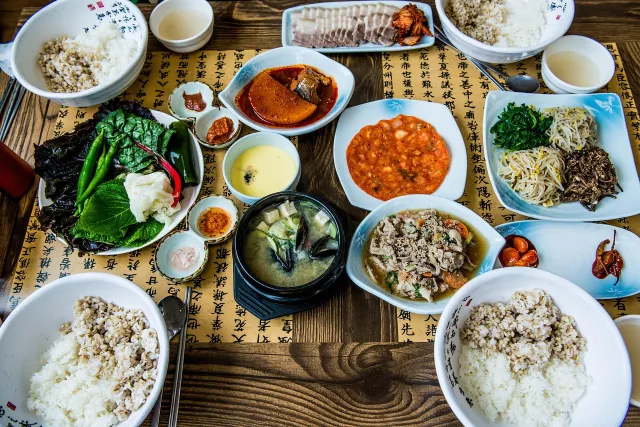
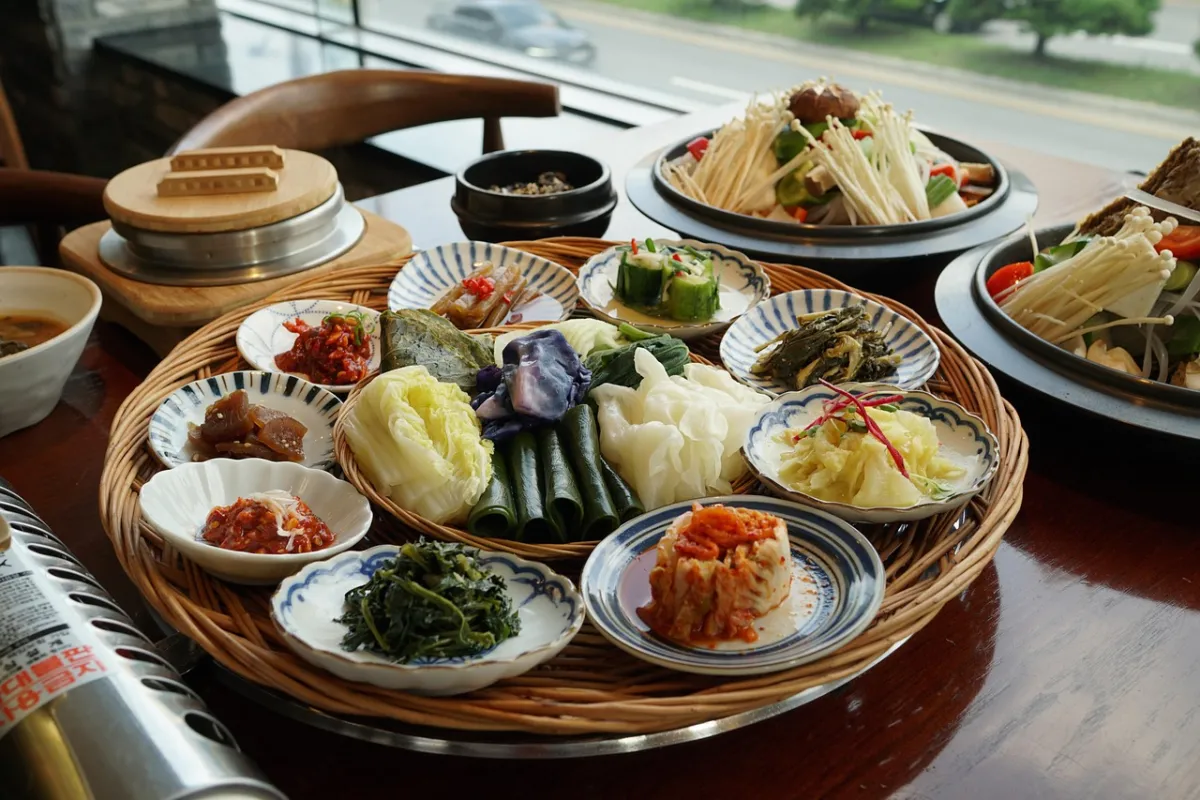
One of the things that surprises foreigners most at their first meal in a Korean restaurant is that they order a single stew, yet little plates line up across the table: kimchi, seasoned vegetables, stir-fries, braised dishes. Then they're told they can ask for more when they finish — a second surprise. The food on these little plates is called banchan.
Banchan are the biggest feature and charm of Korean food. In this guide we explain the meaning and etiquette of banchan culture, classic banchan by type, and easy basic recipes and storage tips for making them at home.
What are banchan?
A Korean meal basically consists of rice, soup or stew, and a variety of banchan — the general term for the dishes eaten alongside rice. Unlike Western meals served in courses such as starter, main and dessert, a Korean meal puts everything on the table at once, and everyone eats a bit of everything with their rice as they like.
Banchan are arranged to combine a range of tastes — salty, sweet, sour, spicy, nutty — and ingredients such as vegetables, meat, seafood and beans. That means a single meal can provide balanced nutrition.
How the table is laid
Traditionally, table settings were classified by the number of banchan, such as a "three-cheop" or "five-cheop" table. A cheop is a side-dish bowl, and rice, soup, kimchi and sauces weren't counted. The royal court is said to have been served twelve-cheop tables. Today's everyday tables are far simpler, but the culture of serving several banchan together continues.
Banchan culture and etiquette in restaurants
- Banchan are free: at most Korean restaurants, basic banchan are included in the price of the main dish.
- Refills: you can ask for more basic banchan, and many restaurants have a self-service banchan station. Expensive banchan such as meat or seafood may not be refilled or may cost extra, though.
- Take only what you'll eat: even with free refills, taking lots and leaving it isn't good manners. Take what you'll eat.
- Sharing: banchan are usually placed in the middle and shared. Don't rummage through them with your chopsticks; pick up what you'll eat in one go.
- Spoon and chopsticks: in Korea it's usual to eat rice and soup with a spoon and banchan with chopsticks.
Classic banchan by type
Kimchi
The most basic banchan of all. Napa cabbage kimchi, kkakdugi (radish kimchi), oi-sobagi (stuffed cucumber kimchi), yeolmu kimchi, mustard leaf kimchi, white kimchi — there are many kinds, and kimchi appears on nearly every Korean table.
Namul
Vegetables or wild greens blanched or stir-fried and seasoned — among the most varied and healthy of Korean banchan.
- Sukju-namul / kongnamul-muchim: blanched mung bean or soybean sprouts dressed with salt, sesame oil and garlic.
- Sigeumchi-namul: blanched spinach dressed with soy sauce or salt, sesame oil and sesame seeds.
- Gosari-namul: rehydrated dried fernbrake, stir-fried — essential in bibimbap and holiday food.
- Doraji-namul: slightly bitter bellflower root, stir-fried or dressed sweet and sour.
Muchim
Raw vegetables or seafood tossed in seasoning: oi-muchim (cucumber salad), mu-saengchae (spicy radish salad), dotorimuk-muchim (acorn jelly salad), pajeori (spring onion salad) and more. Sweet-sour or spicy flavours whet the appetite.
Bokkeum
Ingredients stir-fried in oil: eomuk-bokkeum (fish cake), myeolchi-bokkeum (dried anchovies), gamja-chae-bokkeum (julienned potato), kimchi-bokkeum, ojingeochae-bokkeum (dried squid strips). Stir-fried anchovies are a lunchbox staple.
Jorim
Ingredients braised in soy-based sauce until salty-sweet: gamja-jorim (potato), jangjorim (beef or quail eggs), dubu-jorim (tofu), yeongeun-jorim (lotus root), saengseon-jorim (fish). They keep well, making good make-ahead banchan.
Gui
Grilled banchan such as grilled fish, roasted seaweed (gim) and grilled deodeok root. Wrapping rice in toasty seaweed is a taste every Korean knows.
Jeon
Ingredients coated in flour and egg and pan-fried: hobak-jeon (courgette), donggeurangttaeng (meat patties), fish jeon, kimchi-jeon, pajeon. Made in large quantities especially for holidays.
Egg banchan
Gyeran-mari (rolled omelette), gyeran-jjim (steamed egg) and soy-braised eggs are loved by all ages. Rolled omelette is a favourite in lunchboxes and snack bars.
Jangajji and jeotgal
Jangajji are vegetables preserved in soy sauce, doenjang or gochujang and aged; jeotgal are salted, fermented seafood. Both are very salty and eaten in small amounts with rice: myeongran-jeot (pollock roe), ojingeo-jeot (squid), kkaennip-jangajji (perilla leaves), maneul-jangajji (garlic).
Banchan at a glance
| Type | Method | Classic examples |
|---|---|---|
| Kimchi | Salted, seasoned and fermented | Napa cabbage kimchi, kkakdugi, oi-sobagi |
| Namul | Blanched or stir-fried, then seasoned | Bean sprout salad, spinach namul, fernbrake namul |
| Muchim | Raw ingredients tossed in seasoning | Cucumber salad, radish salad, acorn jelly salad |
| Bokkeum | Stir-fried in oil | Fish cake, anchovies, julienned potato |
| Jorim | Braised in soy sauce | Braised potatoes, jangjorim, braised tofu |
| Jeon | Coated and pan-fried | Courgette jeon, meat patties, kimchi jeon |
| Jangajji/jeotgal | Pickled or fermented for keeping | Perilla leaf pickles, pollock roe |
Five basic banchan to make at home
1. Kongnamul-muchim (seasoned soybean sprouts)
Ingredients: 300 g soybean sprouts, ½ tsp salt, ½ tbsp minced garlic, 1 tbsp chopped spring onion, 1 tbsp sesame oil, sesame seeds (and ½ tbsp chilli powder for a spicy version)
- Wash the sprouts, put them in a pot with a little water, cover and boil for about five minutes. Don't lift the lid while they cook, or they may taste grassy.
- Drain in a sieve and let cool without rinsing in cold water.
- Add all the seasonings and mix gently by hand.
2. Sigeumchi-namul (seasoned spinach)
Ingredients: 1 bunch spinach, a little salt, ½ tbsp soup soy sauce (or salt), ½ tsp minced garlic, 1 tbsp sesame oil, sesame seeds
- Blanch the spinach in salted boiling water for only about 30 seconds.
- Rinse in cold water, squeeze out the water firmly and cut into bite-sized lengths.
- Add the seasonings and toss lightly.
3. Gyeran-mari (rolled omelette)
Ingredients: 4 eggs, a little salt, a little finely chopped carrot and spring onion, cooking oil
- Beat the eggs with the salt and chopped vegetables.
- Oil a pan over low heat and pour in a third of the egg mixture.
- When it's lightly set, roll it up from one end.
- Push the roll to one side, pour in more egg and continue rolling in the same way.
- Let it cool slightly before slicing so it holds its shape.
4. Gamja-jorim (soy-braised potatoes)
Ingredients: 2 potatoes, ½ onion, 3 tbsp soy sauce, 1 tbsp sugar, 1 tbsp corn syrup, 1 cup water, ½ tbsp minced garlic, sesame oil and seeds
- Dice the potatoes and soak in cold water to remove starch.
- Stir-fry the potatoes briefly in an oiled pan.
- Add the water, soy sauce, sugar and garlic and simmer over medium heat until the potatoes are cooked.
- Add the onion and syrup and reduce until almost no liquid remains, then finish with sesame oil and seeds.
5. Eomuk-bokkeum (stir-fried fish cake)
Ingredients: 3 sheets flat fish cake, ½ onion, 1½ tbsp soy sauce, ½ tbsp sugar, 1 tbsp corn syrup, ½ tsp minced garlic, 3 tbsp water, sesame oil and seeds (and chilli powder for a spicy version)
- Cut the fish cake into bite-sized pieces and pour boiling water over it to remove excess oil.
- Stir-fry the onion in an oiled pan, then add the fish cake.
- Add the soy sauce, sugar, garlic and water, stir-fry, then add the syrup for gloss.
- Finish with sesame oil and seeds.
Storing make-ahead banchan
- Use airtight containers: store banchan refrigerated in sealed containers.
- How long they keep: drier, more heavily seasoned banchan such as jorim, bokkeum and jangajji keep relatively long. Namul and muchim spoil quickly, so eat them within two or three days.
- Serve what you'll eat: eating straight from the container introduces saliva and speeds spoilage. Put what you'll eat on a plate.
- Batch-cook at the weekend: making several banchan at the weekend makes weekday meals much easier — a common practice in Korean homes.
Banchan shops
Korean markets and neighbourhoods have many banchan-gage, shops that make and sell all kinds of banchan. Busy people buy a little of several to put together a home-cooked meal. As a traveller, buying a selection from a banchan shop and eating it with rice at your accommodation is a different kind of experience. Supermarket banchan counters and online banchan delivery services are popular too.
Frequently asked questions
Are all banchan spicy?
No. Many aren't, such as seasoned bean sprouts, spinach namul, rolled omelette, braised potatoes and stir-fried anchovies.
Can vegetarians enjoy banchan?
With so many vegetable banchan such as namul and muchim, there's plenty of choice. But kimchi may contain jeotgal and stir-fries may use anchovy stock, so check.
How do I ask for more banchan?
Say "banchan jom deo juseyo" (more side dishes, please), or point to the one you want and say "igeo jom deo juseyo" (more of this, please).
Final thoughts
Banchan are a food culture that expresses Korean sharing and jeong: sharing the dishes in the middle while talking, and wanting to give guests just one more dish. Every little plate holds Koreans' warmth.
This evening, start by making seasoned bean sprouts or a rolled omelette. With just a bowl of rice and a few banchan, a Korean home-cooked table will appear on yours.