Jang, the Foundation of Korean Cooking: Gochujang vs Doenjang vs Ganjang, How They're Made and How to Use Them
The roots of Korean flavour lie in jang, fermented soybean sauces and pastes. We explain the difference between doenjang, ganjang and gochujang, how fermentation works, jangdokdae culture, derived sauces such as ssamjang and chogochujang, how to use and store them, and buying tips for beginners.

Contents
- Where jang begins: meju
- Doenjang: the earthy foundation of Korean food
- Ganjang: the heart of saltiness and umami
- Gochujang: Korea's sweet heat
- The three jang compared
- Jangdokdae and jang-making culture
- Derived sauces to make at home
- Cooking tips
- Storage
- Tips for first-time buyers
- Not all soy sauce is the same: gukganjang, jinganjang and brewed soy sauce
- Reading the label: traditional vs factory-style
- Jang-making culture: a heritage recognised worldwide
- Not just for Korean food: fusion uses for jang
- A classic dish built on one jang: jeyuk-bokkeum
- Beyond jang: jeotgal and aekjeot
- The Korean kitchen's basic seasoning shelf
- A ten-minute meal with jang: ganjang-gyeran-bap
- If you're worried about sodium
- Building a Korean seasoning shelf abroad
- Temple food and jang
- Jang experiences for travellers
- Frequently asked questions
- Final thoughts
If you've eaten Korean food, you'll remember its deep, savoury flavour: the earthiness of doenjang jjigae, the sweet heat of tteokbokki, the salty sweetness of bulgogi. At the root of all these flavours lies jang. Jang are traditional Korean seasonings made by fermenting soybeans, and they're the most fundamental ingredient shaping the taste of Korean food.
In old Korea, jang was so important that people said "a household prospers when its jang tastes good". In this guide we explain the differences between Korea's three main jang — doenjang, ganjang and gochujang — how they're made, how to cook with them and how to make easy derived sauces at home.
Where jang begins: meju
Doenjang and ganjang both start with meju: blocks of boiled, mashed soybeans shaped into bricks, dried and fermented. Traditionally, meju is made in late autumn, tied with rice straw and hung under the eaves or in a warm room, where microbes from the straw and air settle on it and fermentation begins.
In early spring, well-fermented meju is placed in a jar with salt water, and over several months its components seep into the brine. The liquid and solids are then separated: the liquid becomes ganjang (soy sauce) and the solids become doenjang (soybean paste). In other words, doenjang and ganjang are siblings born in the same jar.
Doenjang: the earthy foundation of Korean food
Doenjang is made by further ageing the solids taken out of the meju brine. It's brown, with an earthy, salty taste and deep umami. The longer it ages, the darker its colour and the deeper its flavour.
It's often compared to Japanese miso, but doenjang is frequently made with just soybeans and salt, making it saltier and more pungent, and it holds its flavour better when boiled. That's why it suits long-simmered stews and soups.
Classic doenjang dishes
- Doenjang jjigae: Koreans' signature stew, simmered with tofu, courgette, potato, onion and chillies.
- Doenjang guk: a lighter soup with vegetables such as spinach, mallow or napa cabbage.
- Ssamjang: doenjang mixed with gochujang, garlic and sesame oil, served with meat and wraps.
- Doenjang muchim: blanched greens dressed with doenjang.
Cheonggukjang
Cheonggukjang is made by fermenting boiled soybeans for a short time (usually a few days). The beans stay more intact than in doenjang and it has a distinctive strong aroma. Its sticky strands resemble Japanese natto, but it's mainly eaten in stews. Its pungency divides opinion, but to its fans it's an unbeatable delicacy.
Ganjang: the heart of saltiness and umami
Ganjang is the most basic liquid seasoning for saltiness and umami in Korean cooking. Korean soy sauces fall broadly into traditionally made ganjang and factory-brewed soy sauce.
| Type | Characteristics | Main uses |
|---|---|---|
| Guk-ganjang (Joseon ganjang, soup soy sauce) | Traditional soy sauce made from meju: light in colour, very salty, with a distinctive deep aroma. | Soups, stews, seasoned greens (keeps dishes light in colour) |
| Jin-ganjang (brewed soy sauce) | Made by fermenting soybeans and wheat: dark, with sweetness and umami. | Braises, stir-fries, bulgogi marinade, dipping sauces |
| Seasoned/cooking soy sauce | Soy sauce flavoured with sugar, vegetables, kelp and so on. | Quick braises, stir-fries, rice bowls |
If a recipe calls for guk-ganjang and you substitute jin-ganjang, the dish may turn darker and sweeter, so adjust the amount. Conversely, using guk-ganjang instead of jin-ganjang can make a dish much saltier.
Classic ganjang dishes
- Bulgogi and galbi: meat marinated in soy sauce, sugar, Asian pear and garlic.
- Jangjorim: beef or quail eggs braised in soy sauce, a salty side dish.
- Japchae: glass noodles and vegetables stir-fried in soy-based seasoning.
- Ganjang gejang: fresh crab marinated in soy sauce, nicknamed a "rice thief".
Gochujang: Korea's sweet heat
Gochujang is made by fermenting grains such as glutinous rice with powdered meju, chilli powder, malt and salt. It's red, with a complex taste combining heat, sweetness, saltiness and umami. It emerged after chillies arrived on the Korean peninsula, so its history is shorter than doenjang and ganjang, but it has become Korea's signature flavour.
Gochujang's heat isn't simply spicy; grain sweetness and the depth of fermentation make it rounded. Shop-bought gochujang often shows its heat level, so you can choose to suit your taste.
Classic gochujang dishes
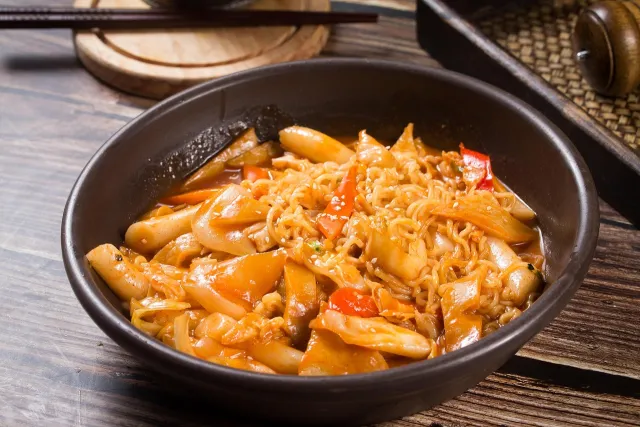
- Tteokbokki: rice cakes simmered in gochujang sauce — the classic street food.
- Bibimbap: rice topped with vegetables, meat and egg, mixed with gochujang.
- Jeyuk bokkeum: pork stir-fried in gochujang sauce.
- Gochujang jjigae: stew with gochujang, potato, courgette and meat.
- Chogochujang: gochujang with vinegar and sugar, served with raw fish and seafood.
The three jang compared
| Doenjang | Ganjang | Gochujang | |
|---|---|---|---|
| Form | Thick paste | Liquid | Sticky paste |
| Main ingredients | Meju, salt | Meju (or soybeans and wheat), brine | Grain, meju powder, chilli powder, malt, salt |
| Colour | Brown | Light to dark brown | Red |
| Taste | Earthy and salty | Salty with umami | Sweet, spicy, umami |
| Classic dishes | Doenjang jjigae, ssamjang | Bulgogi, jangjorim | Tteokbokki, bibimbap |
Jangdokdae and jang-making culture
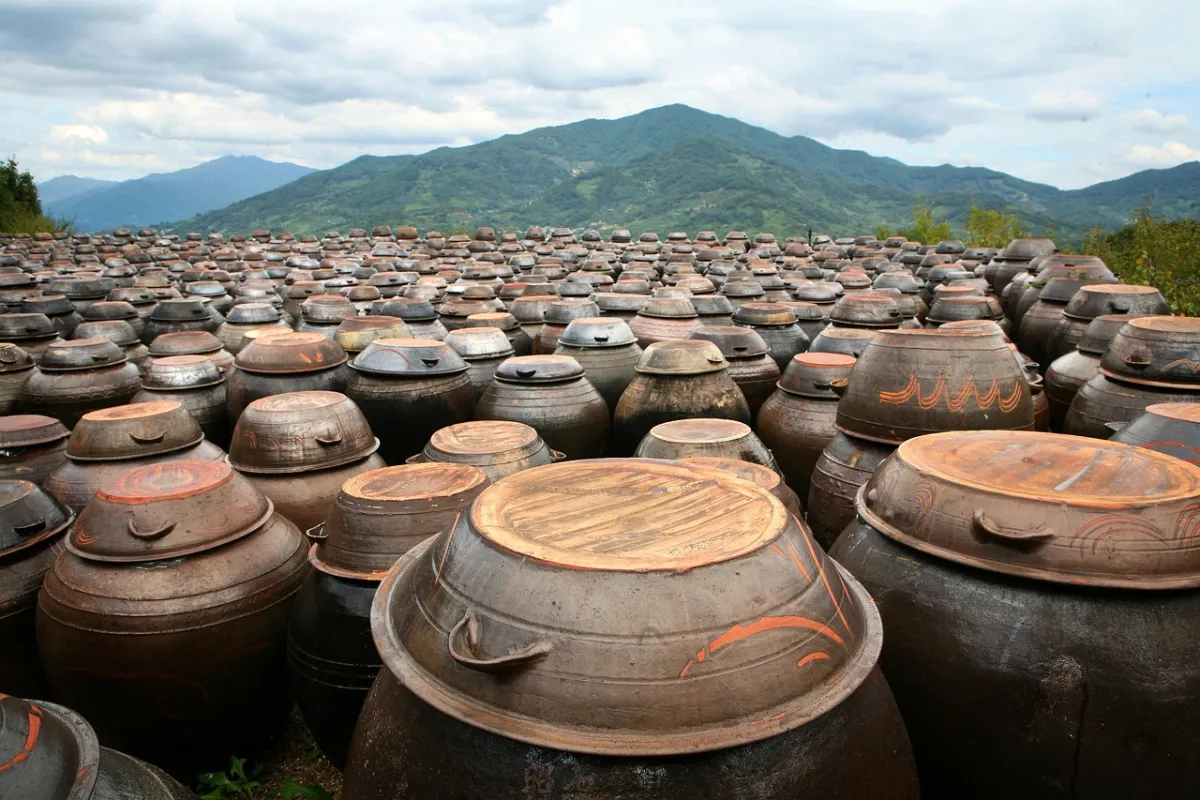
In the yard of a traditional hanok there was a jangdokdae, a platform crowded with earthenware jars large and small. Onggi earthenware is called "breathing pottery" because air passes through its tiny pores, helping jang ferment and mature. Opening the lids on sunny days and hurrying to close them when it rained was an important household task.
Korea's jang-making culture has been designated a National Intangible Heritage and inscribed on UNESCO's list of the Intangible Cultural Heritage of Humanity. Jangdokdae are rare in today's city apartments, but many families still carry on the tradition by receiving jang made by parents in their hometowns or joining jang-making experiences.
Derived sauces to make at home
Ssamjang
Mix 2 tbsp doenjang, 1 tbsp gochujang, ½ tbsp minced garlic, 1 tbsp sesame oil, a few sesame seeds and, if you like, a little honey or syrup. Chopped onion or nuts make it richer. Great with meat, lettuce wraps and for dipping cucumber or chillies.
Chogochujang
Mix 2 tbsp gochujang, 1 tbsp vinegar, 1 tbsp sugar (or syrup) and a little minced garlic. Good with raw fish, blanched squid and as a dressing for cold bibim noodles.
All-purpose soy seasoning sauce
Mix 3 tbsp jin-ganjang, 1 tbsp water, ½ tbsp chilli powder, 1 tbsp chopped spring onion, ½ tbsp minced garlic, ½ tbsp sesame oil and a few sesame seeds. Serve with pan-fried tofu, jeon, dumplings or seaweed.
Gochujang sauce for bibimbap
Mix 2 tbsp gochujang, 1 tbsp sesame oil, ½ tbsp sugar, 1 tbsp water and a few sesame seeds for a smooth, nutty bibimbap sauce.
Cooking tips
- Dissolve doenjang through a sieve: when making stew, put doenjang in a ladle or sieve and dissolve it into the broth so it mixes evenly without lumps.
- Don't over-boil doenjang: boiling it too long after adding can dull its aroma. Add it once the ingredients are cooked and simmer briefly.
- Fry gochujang for depth: in stir-fries, briefly frying gochujang in oil first deepens its flavour — but it burns easily, so watch the heat.
- Season at the end: jang is very salty, so don't add a lot at the start; taste and add gradually.
- Use it in Western cooking too: doenjang works in pasta sauces or mixed with butter on roast vegetables, gochujang mixed with mayonnaise as a sandwich sauce, and ganjang in steak sauces.
Storage
- Refrigerate: refrigerate shop-bought doenjang and gochujang after opening. Smooth the surface and cover with cling film to reduce contact with air.
- Use clean spoons: wet spoons or ones with other food on them can cause mould.
- Ganjang: store in a cool, dark place; refrigerating after opening keeps its flavour and aroma longer.
- White film on the surface: a white film sometimes forms on jang; it's usually a type of yeast and can be scooped off. But don't eat it if there's coloured mould or an odd smell.
Tips for first-time buyers
- Start with the basic three: with doenjang, gochujang and jin-ganjang you can make most Korean dishes. Add guk-ganjang if you often make soups.
- Read the label: for jang closer to traditional methods, choose products with simple ingredients. Many commercial products contain wheat or syrup, so check if you have allergies.
- Heat level: gochujang packaging often shows a heat rating. For a first purchase, mild or medium is a good choice.
- Start small: if buying abroad, start with small tubs to find a brand you like.
- Souvenirs from Korea: traditional markets and regional speciality shops sell traditionally made jang. Check airline rules for carrying it.
Not all soy sauce is the same: gukganjang, jinganjang and brewed soy sauce
The soy sauce aisle of a Korean supermarket can be confusing, with several similarly named types side by side. Choosing the right one for the job makes the same dish taste much better.
| Type | Characteristics | Best for |
|---|---|---|
| Gukganjang (soup soy sauce, also called Joseon ganjang) | A traditional soy sauce made from meju; light in colour and very salty. | Soups, stews and namul where you want to keep the colour clear |
| Yangjo ganjang (brewed soy sauce) | Made by fermenting soybeans and wheat; richly aromatic. | Dipping sauces, dressings, stir-fries and all-round use |
| Jinganjang (dark soy sauce) | Dark in colour with a hint of sweetness. | Bulgogi, braises and stir-fries where you want colour and gloss |
If you're buying just one bottle, brewed soy sauce is the most versatile. If you often make soups, add a bottle of gukganjang. Check the label for 양조 (brewed) versus 혼합 (blended): naturally brewed soy sauce generally has deeper aroma and flavour.
Reading the label: traditional vs factory-style
- 재래식 (traditional): jang made the traditional way by fermenting meju. Deep and intense, with flavours that vary from region to region and household to household.
- 개량식 (improved/factory-style): jang produced in factories to consistent quality. Mild and uniform — a safe choice for first-timers.
- 국산 콩 100% (100% Korean soybeans): made only with soybeans grown in Korea. A little more expensive, but popular with people who care about ingredients.
- Spice levels: gochujang packs often show heat levels. If you're new to it, start with mild or medium.
Jang-making culture: a heritage recognised worldwide
Korea's jang-making culture was inscribed on UNESCO's list of the Intangible Cultural Heritage of Humanity in 2024. What was recognised wasn't just a sauce-making technique, but a whole way of life: boiling soybeans, shaping meju, making jang, tending the jangdokdae, and sharing it all with family and neighbours.
Some regions are famous for their jang. Sunchang in North Jeolla Province has been known for gochujang since long ago, so much so that "Sunchang gochujang" is almost a byword. If you visit a traditional jang-making village or experience centre while travelling, you can see rows of jang crocks and taste traditional jang for yourself.
Not just for Korean food: fusion uses for jang
Jang aren't only for Korean cooking. Adding a little to dishes you already enjoy brings a burst of savoury depth.
- Gochujang butter: mix 2 tbsp softened butter with 1 tsp gochujang and a little honey, then spread it on grilled corn, potatoes or bread.
- Doenjang dressing: combine 1 tbsp doenjang, 2 tbsp olive oil, 1 tbsp vinegar and 1 tsp honey for a nutty dressing that suits green salads.
- Soy marinade: marinate chicken or salmon in soy sauce, minced garlic, sugar and sesame oil, then grill for an easy Korean-style dish.
- Gochujang yoghurt dip: stir a little gochujang into plain yoghurt for a spicy yet mellow dip. Enjoy it with grilled vegetables or meat.
A classic dish built on one jang: jeyuk-bokkeum
Jeyuk-bokkeum, spicy stir-fried pork, is one of the best ways to appreciate gochujang — and a hugely popular lunch at Korean restaurants.
Ingredients (serves 2)
- 300g thinly sliced pork shoulder or neck
- 1/2 onion, 1/2 leek or a few spring onions, a little carrot
- Sauce: 2 tbsp gochujang, 1 tbsp gochugaru, 1 tbsp soy sauce, 1 tbsp sugar, 1 tbsp minced garlic, 1 tbsp sesame oil, a pinch of black pepper
Method
- Mix all the sauce ingredients, coat the pork and marinate for at least 20 minutes.
- Stir-fry the pork in a hot pan over medium heat; when it's almost cooked, add the onion and carrot.
- Once the vegetables soften, add the leek and stir-fry quickly over high heat for a smoky edge.
- Sprinkle with sesame seeds and serve with rice — it's even better wrapped in lettuce or perilla leaves.
Beyond jang: jeotgal and aekjeot
Jang aren't the only fermented seasonings behind the savoury depth of Korean food. Jeotgal — seafood salted and fermented — and aekjeot, the liquid strained from long-aged jeotgal, are also core ingredients in the Korean kitchen.
| Name | Characteristics | Uses |
|---|---|---|
| Saeujeot | Salted tiny shrimp, salty and clean-tasting | Kimchi, boiled pork (suyuk), steamed egg, stir-fried courgette |
| Myeolchijeot | Salted, aged anchovies with a rich, deep flavour | Southern-style kimchi, wrap sauces |
| Myeolchi aekjeot | Clear liquid strained from anchovy jeotgal | Kimchi, namul dressings, seasoning soups |
| Kkanari aekjeot | Fish sauce made from sand lance, with a relatively clean savouriness | Kimchi, fresh geotjeori kimchi |
A little aekjeot instantly deepens a dish. Try a few drops instead of soy sauce in a soup or namul and you'll taste the difference right away — but its aroma is strong, so start small and taste as you go.
The Korean kitchen's basic seasoning shelf
Besides jang and jeotgal, Korean home kitchens always keep certain seasonings on hand.
- Sesame oil and perilla oil: sesame oil gives a nutty aroma, while perilla oil, pressed from perilla seeds, is richer and more distinctive — especially good for stir-fried namul or toasting seaweed.
- Gochugaru: used in kimchi, stews and dressings. Coarse flakes go into kimchi; fine powder is for gochujang and adding colour.
- Maesil-cheong: a syrup of green plums steeped in sugar; used instead of sugar, it adds sweet-sour flavour and fragrance.
- Jocheong and mulyeot: grain-based jocheong adds gentle sweetness, while mulyeot (corn syrup) adds gloss to braises and stir-fries.
- Vinegar: brings freshness to dressings, naengmyeon broth and chogochujang.
A ten-minute meal with jang: ganjang-gyeran-bap
Soy-sauce egg rice is the super-simple dish Koreans often make on busy days — and the purest way to taste jang.
- Put a bowl of warm rice in a dish.
- Fry an egg in a little oil, leaving the yolk slightly runny.
- Place the egg on the rice and drizzle with 1 tbsp brewed soy sauce and 1 tsp sesame oil.
- Sprinkle with seaweed flakes and sesame seeds, break the yolk and mix with the rice.
- For extra richness, add a knob of butter or serve with kimchi.
If you're worried about sodium
Jang and jeotgal are fermented with plenty of salt, so saltiness can be a concern. But by controlling quantities and using a few tricks, you can enjoy their depth while cutting salt. For soups and stews, add jang gradually at the end while tasting, and balance flavours with plenty of vegetables. Low-sodium doenjang and soy sauce are another option. Eating mainly the solid ingredients rather than drinking all the broth helps too.
Building a Korean seasoning shelf abroad
If you're new to Korean cooking, there's no need to buy every seasoning at once. The five to get first are brewed soy sauce, gochujang, doenjang, sesame oil and gochugaru. With just these, you can make most basic Korean dishes — bulgogi, bibimbap, doenjang-jjigae, jeyuk-bokkeum and seasoned namul.
As you grow more confident, add aekjeot, soup soy sauce, maesil-cheong and perilla oil one at a time, and your range of flavours will widen noticeably. If there's no Korean grocery nearby, try online shops or Asian supermarkets; these days even ordinary large supermarkets often stock gochujang and soy sauce.
Refrigerate jang after opening. Gochugaru is sensitive to moisture and light, so seal it and keep it in the freezer to preserve its colour and aroma. Store sesame oil somewhere cool and dark, and since its fragrance fades over time, buy a moderate bottle rather than a huge one. With one small seasoning shelf like this, you can bring the taste of Korea to your kitchen any time.
Temple food and jang
Korean temple food uses no meat or fish, and also leaves out pungent vegetables such as spring onion, garlic and chives. Within these limits, the key to giving dishes depth is jang. Temples have made and aged their own jang for generations, and soy sauce and doenjang aged for several years draw astonishingly rich flavour from nothing more than vegetables, mushrooms and mountain greens. Programmes for learning temple food have recently become popular with domestic and foreign travellers alike, and there you can feel first-hand that jang is the root of Korean cuisine.
Jang experiences for travellers
If jang has caught your interest, seek out places on your trip to Korea where you can see and taste it. Traditional jang villages and jang museums in the regions offer hands-on experiences such as making meju and touring jangdokdae, and some run tastings where you compare jang aged for different numbers of years. In traditional markets you'll find shops selling homemade jang, and if you ask the vendor which dishes it suits, they'll happily explain. A small jar of jang makes a special souvenir that lets you take the taste of Korea home. Liquids are restricted in hand luggage, though, so be sure to pack it in your checked bag.
Frequently asked questions
Can I use doenjang and miso interchangeably?
They can play similar roles, but they taste different. Doenjang is saltier and more pungent, so use less if substituting it for miso.
Is gochujang very spicy?
It varies by product, but many people find it milder than expected because of its sweetness and umami. If you're not used to spicy food, start with a small amount.
Are jang healthy?
As fermented foods they're full of flavour, but they're high in salt, so use them in moderation. Low-sodium products are another option.
Final thoughts
For Koreans, jang isn't just seasoning; it's the "root of flavour", made with time and care. Fermenting meju through winter, making jang in spring and letting it mature under the summer sun reflects the wisdom of a people who have lived alongside nature.
With just doenjang, ganjang and gochujang, you can create the basic flavours of Korean food in your own kitchen. Tonight, start with a pot of doenjang jjigae and taste Korea's earthy heart.