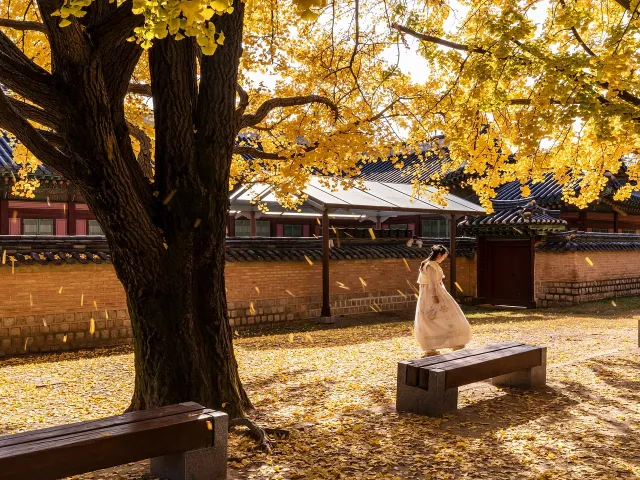
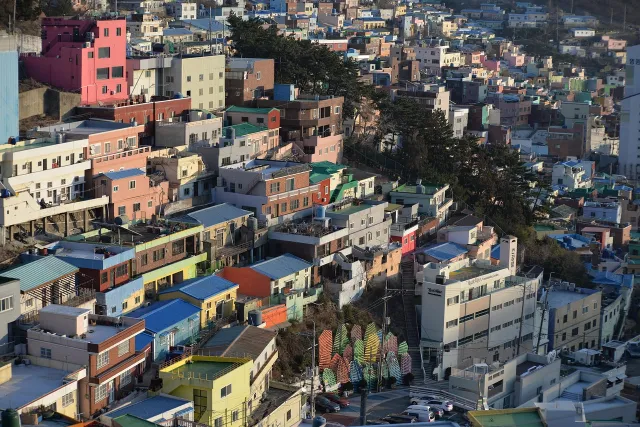
The Complete Gyeongju Travel Guide: Two and Three-Day Itineraries in Silla's Thousand-Year Capital
Gyeongju is often called a museum without walls. We cover the main sights — Bulguksa and Seokguram, Daereungwon and Cheomseongdae, the night view of Donggung and Wolji, Hwangnidan-gil and Bomun Lake — plus transport, itineraries, food and where to stay.

Contents
If Seoul and Busan show you Korea's present, Gyeongju lets you walk through its deep past. Capital of the Silla kingdom for about a thousand years, Gyeongju still has royal tombs, temples and ruins all over the city, earning it the nickname "museum without walls". Walk down the street and enormous green mounds suddenly appear between houses and cafés: the tombs of kings and nobles from 1,500 years ago.
Many Koreans remember Gyeongju as the classic school-trip destination, but lately its atmospheric hanok cafés, lanes and beautiful night views have also made it a favourite with young travellers. In this guide we cover everything you need for a trip to Gyeongju: the main sights, transport, suggested itineraries, food and where to stay.
What is Gyeongju?
Gyeongju is a city in North Gyeongsang Province in the south-east of the Korean peninsula. It was the capital of Silla from the 1st century BCE to the 10th century CE, and especially after Silla unified the Three Kingdoms in the 7th century, a splendid Buddhist culture and art flourished. The Gyeongju Historic Areas, Bulguksa and Seokguram, and Yangdong Village (part of the Historic Villages of Korea) are all UNESCO World Heritage Sites.
Gyeongju's charm is that its heritage isn't separated from the city. Tomb clusters sit in the city centre with hanok cafés and restaurants lined up beside them. On foot or by bike, you can enjoy a landscape where past and present blend naturally.
Getting to Gyeongju
KTX (high-speed rail)
High-speed trains from Seoul or Suseo stations reach Singyeongju Station in a little over two hours. Singyeongju is some way from the centre, so you'll need a city bus or taxi from the station to the central area (Hwangnidan-gil and Daereungwon).
Express bus
Buses from Seoul Express Bus Terminal reach Gyeongju Express Bus Terminal in about four hours. The terminal is in the city centre, so you can start exploring straight away.
From Busan
From Busan it takes about an hour by train or bus, so many travellers make a day trip during a Busan visit. Gyeongju deserves more than a day, though, so we recommend staying at least one night.
Getting around Gyeongju
- On foot and by bike: Daereungwon, Cheomseongdae, Donggung and Wolji, Hwangnidan-gil and Gyochon Village are close together and walkable. Renting a bicycle or e-bike lets you cover a wider area comfortably.
- City buses: places outside the centre, such as Bulguksa, Seokguram and Bomun Tourist Complex, are reached by bus. Buses towards Bulguksa are popular with travellers.
- Taxis: efficient for groups or if you're short on time. Some travellers also use taxi tours.
Must-see sights
Bulguksa
Gyeongju's signature temple and the essence of Silla Buddhist art. It's famous for the Seokgatap and Dabotap pagodas and the beautiful stone stairways Cheongungyo and Baegungyo. The understated beauty of its buildings and the precision of its stonework are striking. Cherry blossoms and double cherry blossoms in spring and foliage in autumn colour the temple, making it great for photos. Visit early in the morning to explore in relative peace.
Seokguram
An artificial cave temple halfway up Mount Tohamsan, whose main Buddha statue is considered a masterpiece of East Asian Buddhist sculpture. For preservation you view it through a glass wall, and photography inside is restricted. You can reach it by bus from Bulguksa, and there's also a hiking trail up the mountain. On clear mornings you can see the sun rise over the East Sea, making it a famous sunrise spot.
Daereungwon and Cheonmachong
A huge cluster of tombs in the city centre. Round, green, hill-like tombs gather together, creating a landscape unique to Gyeongju. Cheonmachong is open inside, showing how it looked when excavated along with replicas of the artefacts found there. Walking the paths between the mounds feels like stepping into another era. A photo spot where a single magnolia tree stands between two tombs is especially famous.
Cheomseongdae
An astronomical observatory believed to date from the Silla period and often described as one of the oldest observatories in East Asia. It isn't large, but its curved stone form is beautiful. Seasonal flower fields surround it — rapeseed flowers in spring, pink muhly grass in autumn — and at night it's lit up for a different mood.
Donggung and Wolji
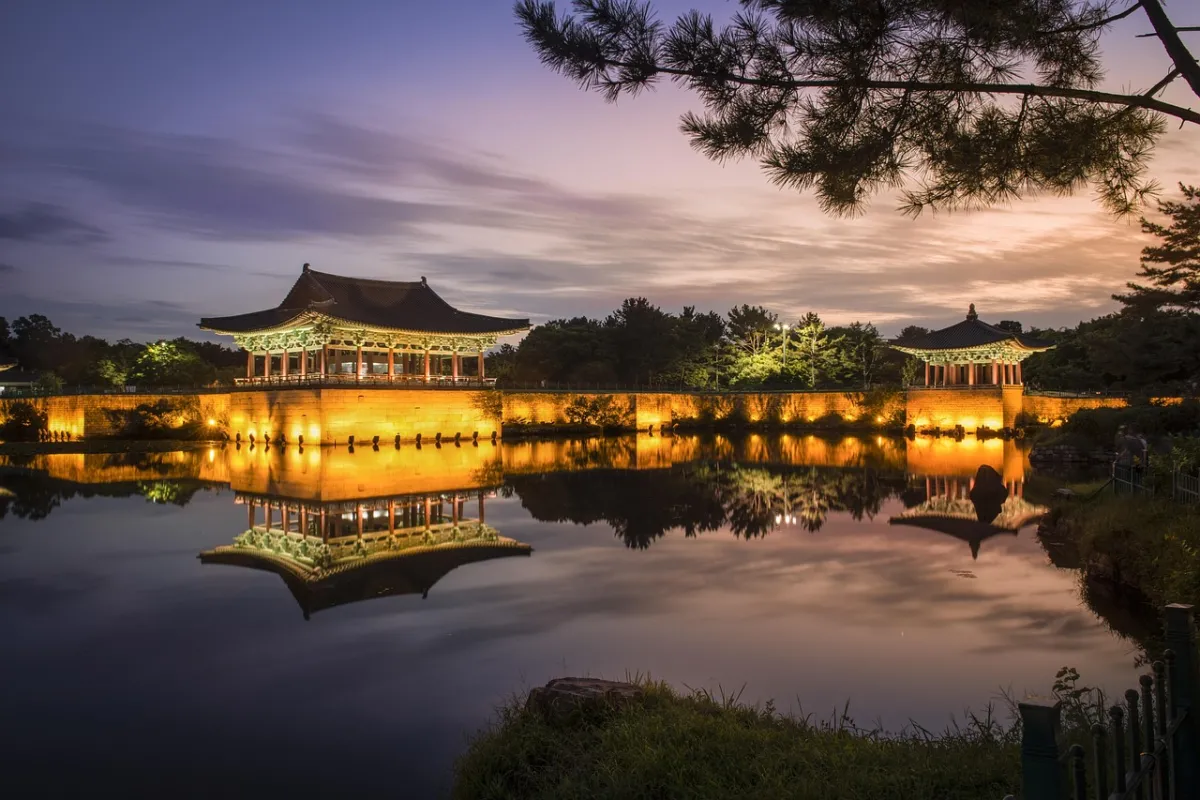
The site of a detached palace of the Silla royal court, formerly known as Anapji. It's Gyeongju's top night-view spot: after sunset the restored pavilions light up and are mirrored on the pond, creating a magical scene. We recommend arriving around sunset to see both the dusk and the night view. It gets crowded in the evening, so allow plenty of time.
Gyeongju National Museum
A museum offering an overview of Silla history and culture, displaying precious artefacts excavated in Gyeongju such as dazzling gold crowns, jewellery and Buddhist sculpture. Outside stands the enormous Divine Bell of King Seongdeok. Visiting the museum before the sites makes your trip far richer. The permanent exhibition is often free.
Gyochon Village and Woljeonggyo Bridge
Gyochon is a traditional village of hanok houses, famous for the old house of the wealthy Choi family. Nearby Woljeonggyo is a reconstruction of a Silla-era bridge, beautiful when lit up at night and reflected in the river.
Hwangnidan-gil
A street of hanok lanes in the Hwangnam-dong area packed with cafés, restaurants, gift shops and photo studios. Named after Seoul's Gyeongnidan-gil, it has become Gyeongju's most popular street. Taking a break in a café with tombs visible over the hanok rooftops is one of the joys of a Gyeongju trip. It's very crowded at weekends, so go on a weekday or early.
Bomun Tourist Complex
A resort area of hotels, an amusement park and walking paths around Bomun Lake. It's great for lakeside walks or cycling, and in spring the cherry blossom road around the lake is spectacular.
Yangdong Village
A traditional village where Joseon-era aristocratic clans have lived for generations, now a UNESCO World Heritage Site. Residents still live there, so visit quietly and respectfully. It's a little way from the centre but recommended for anyone wanting to experience an authentic traditional Korean village.
Suggested itineraries
Two days, one night
| Time | Route |
|---|---|
| Day 1 afternoon | Gyeongju National Museum → Daereungwon (Cheonmachong) → Cheomseongdae → dinner on Hwangnidan-gil |
| Day 1 evening | Donggung and Wolji at night → Woljeonggyo at night |
| Day 2 morning | Bulguksa → Seokguram |
| Day 2 afternoon | Bomun Lake walk or Gyochon Village → head home |
Three days, two nights
Take the two-day itinerary at a gentler pace and on day three visit Yangdong Village or the sea at Gampo on the east coast and the Tomb of King Munmu. The tomb is a rock in the middle of the sea; legend says a Silla king asked to be buried in the sea so he could protect the kingdom even after death. It's also a famous sunrise spot.
What to eat in Gyeongju
- Gyeongju bread and barley bread: Gyeongju's signature red-bean-filled snacks, popular as gifts.
- Ssambap: around Daereungwon there are many ssambap restaurants serving a variety of vegetables and side dishes. Wrapping meat and ssamjang in fresh leaves makes a healthy meal.
- Hanwoo beef: the Gyeongju area is also known for Korean beef.
- Kalguksu and noodles: enjoy a warm bowl of noodles in markets and lanes.
- Hwangnidan-gil café desserts: traditional teas and desserts in hanok cafés, plus street snacks such as the coin-shaped "10-won bread", are popular.
Where to stay
- Around Hwangnidan-gil and Daereungwon: plenty of hanok guesthouses and hanok stays for an authentically Gyeongju atmosphere, with the main sights within walking distance.
- Bomun Tourist Complex: hotels and resorts, good for family trips or a relaxing stay. You'll take a bus or taxi to the central sights.
- Near the terminal or station: convenient transport and relatively affordable accommodation.
Gyeongju by season
| Season | Highlights |
|---|---|
| Spring | Cherry blossoms around Bomun Lake and Daereungwon, double cherry blossoms at Bulguksa, rapeseed flowers at Cheomseongdae |
| Summer | Lotus flowers at Donggung and Wolji, cool evening walks |
| Autumn | Foliage at Bulguksa and Tongiljeon, pink muhly at Cheomseongdae |
| Winter | Quiet heritage walks, sunrise at Seokguram |
Gyeongju travel tips
- Comfortable shoes: you'll walk a lot between sites, so comfortable shoes are essential.
- Don't miss the night: Gyeongju's real charm emerges after dark. Keep one evening free for night views.
- Heritage etiquette: don't climb the tombs or touch cultural properties. Be quiet in temples and respect no-photography signs in worship halls.
- Check opening hours: hours and closing days differ by site, so check before you go.
- Book ahead in peak season: accommodation fills fast during cherry blossom and foliage seasons and at weekends.
Frequently asked questions
How many days do I need in Gyeongju?
You can see the main sights in two days and one night, but for a relaxed pace with night views, cafés and the surrounding area, we recommend three days and two nights.
Do I need a rental car?
The centre is easily covered on foot or by bike. For Yangdong Village or the east coast, a rental car or taxi is convenient.
Is it good for children?
Yes. Tomb parks with wide lawns, museums and the amusement facilities at Bomun make it a good family destination.
Final thoughts
Rush through Gyeongju and it may seem like just a city of old stones and tombs. But walk slowly, watch the sunset between the mounds, see the pavilion lights reflected in the pond and sip tea in a hanok café, and you'll feel that a thousand years is closer than you thought.
On your next trip to Korea, step away from the big cities for a day and head to Gyeongju. The city that shows Korea's depth most beautifully is waiting for you.