A Four-Season Guide to Travelling in Korea: Cherry Blossom and Foliage Timing, Seasonal Sights, Festivals, What to Wear and Tips
When should you go to Korea? We cover approximate timings for spring cherry blossoms and autumn foliage, the summer monsoon and beaches, winter snow and skiing — with weather, sights, festivals, what to wear and travel tips for every season.

Contents
Korea has four distinct seasons. The same place turns pink with cherry blossoms in spring, deep green in summer, ablaze with red and yellow leaves in autumn and blanketed in white snow in winter. That's why, for a trip to Korea, when you go matters as much as where.
In this guide we cover each season's weather and atmosphere, signature sights and festivals, and what to wear and pack. Blossom and foliage timings vary from year to year with the weather, so check the latest forecasts from the Korea Meteorological Administration or tourism websites just before you travel.
Korea's four seasons at a glance
| Season | Approximate months | Weather | Highlights |
|---|---|---|---|
| Spring | March–May | Warm and dry, big day–night temperature swings; watch for yellow dust and fine dust | Cherry blossoms, rapeseed flowers, azaleas, spring festivals |
| Summer | June–August | Hot and humid; monsoon (usually late June–July) | Beaches, valleys, night markets, music festivals |
| Autumn | September–November | Clear and cool — the best travelling weather | Autumn foliage, silver grass, autumn festivals |
| Winter | December–February | Cold and dry, with snow in some regions | Skiing, snow-covered trees, winter festivals, street snacks |
Spring: a season that begins with flowers
Weather and what to wear
Spring days are warm, but mornings and evenings are chilly, so temperature swings are big. Wear thin layers and bring a light jacket or cardigan. Some spring days bring heavy yellow dust and fine dust, so check air quality forecasts and pack a mask.
Cherry blossom timing
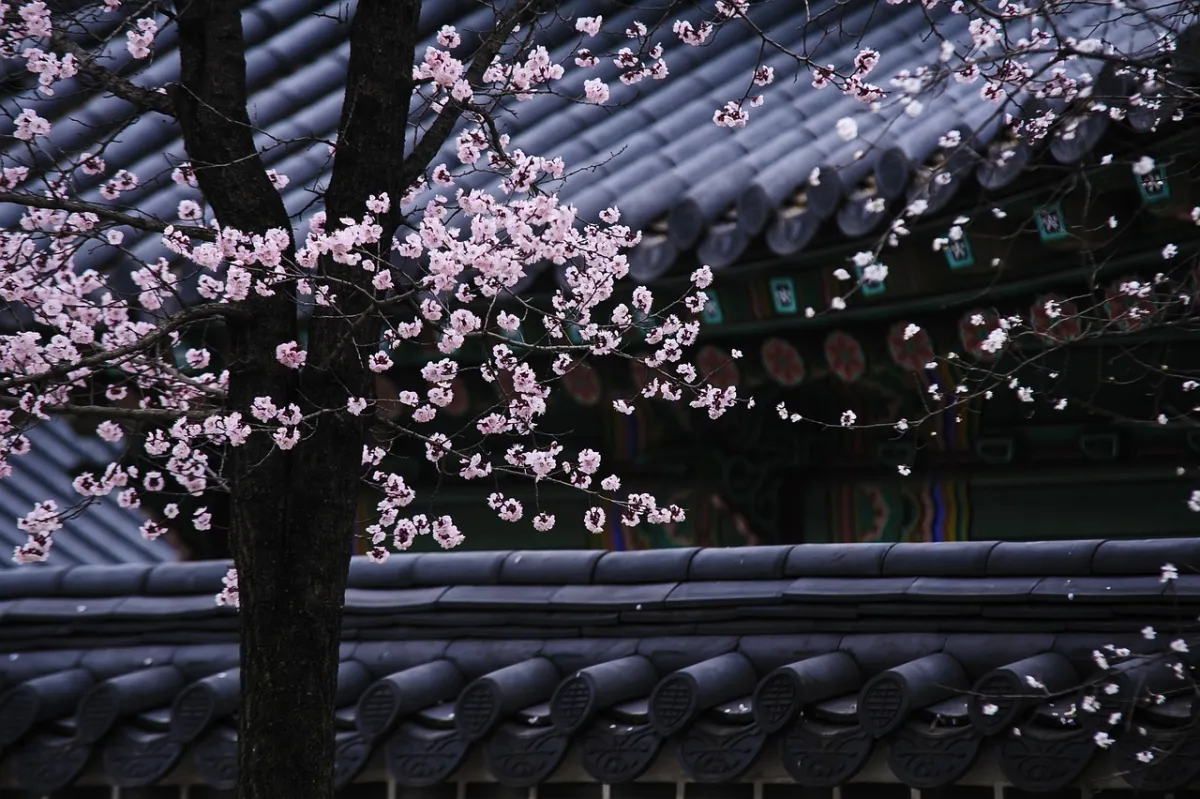
Cherry blossoms start in the south and move north. Jeju and the southern regions often peak in late March, and Seoul around early April. But timing can vary by a week or more from year to year, and blossoms begin to fall about a week after opening, so keep your plans flexible.
Top cherry blossom spots
- Jinhae (Changwon): home of the Gunhangje Festival, Korea's biggest cherry blossom festival, famous for the blossom tunnels of Yeojwacheon stream and Gyeonghwa Station.
- Yunjung-ro, Yeouido, Seoul: a cherry blossom road behind the National Assembly, packed during the spring flower festival.
- Seokchon Lake, Seoul: beautiful views of blossoms ringing the lake with Lotte World Tower behind.
- Bomun Lake and Daereungwon, Gyeongju: a landscape unique to Gyeongju, with ancient tombs and blossoms together.
- Jeonnong-ro and Noksan-ro, Jeju: cherry blossoms bloom alongside yellow rapeseed flowers in vivid colour.
Other spring flowers
Jeju's rapeseed flowers, azaleas and royal azaleas turning mountains pink, and May rose festivals are also spring highlights. May is one of the most pleasant months, full of outdoor activities and festivals.
Summer: the season of beaches and festivals
Weather and what to wear
Korean summers are hot and humid. In July and August daytime temperatures often exceed 30°C, and "tropical nights" when the heat persists after dark are common. Breathable clothes, a hat, sunscreen and a handheld fan are useful. Air conditioning indoors can be strong, so carry a light layer.
Monsoon and typhoons
The monsoon season, jangma, usually runs from late June through July, with frequent heavy rain. Pack an umbrella and waterproof shoes, and mix indoor attractions — museums, malls, cafés — into your itinerary. Typhoons can arrive from late summer to early autumn, so keep an eye on the weather.
Summer destinations
- Haeundae and Gwangalli, Busan: Korea's iconic beaches. At Gwangalli you can stroll the beach with views of Gwangan Bridge lit up at night.
- Gangwon's east coast (Gangneung, Sokcho, Yangyang): popular for clear water, surfing and beach cafés.
- Jeju: emerald beaches such as Hyeopjae and Hamdeok, plus cool forest trails.
- Valleys: in summer Koreans love cooling off by dipping their feet in mountain streams and eating by the water.
Also try summer music festivals, night markets and evening picnics in the Han River parks. Cold naengmyeon, bingsu and samgyetang on the "dog days" (boknal) are Korean ways to beat the heat.
Autumn: the best season for travel
Weather and what to wear
Autumn skies are high and clear — Koreans describe it with an idiom meaning "the sky is high and horses grow fat". September is still warm, October cool and November quite chilly. Bring layers and a light coat. Many people consider autumn the best time to visit Korea.
Foliage timing
Unlike cherry blossoms, autumn colours start in the north and on high mountains and move south. Northern mountains such as Seoraksan often peak around mid-October, Seoul and central regions in late October to early November, and the south in early to mid-November. Again, timings vary by year, so check foliage forecasts.
Top foliage spots
- Seoraksan (Gangwon): one of the first mountains in Korea to change colour, with spectacular views of rocky peaks and foliage.
- Naejangsan (North Jeolla): the south's signature foliage destination, famous for its tunnel of red maples.
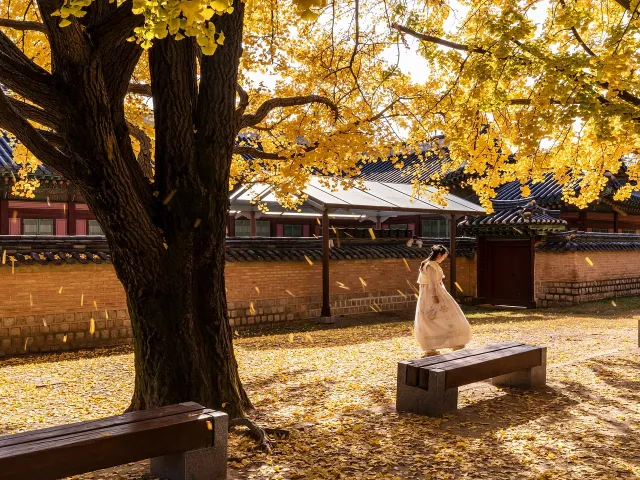
- Seoul's palaces and Namsan: foliage at Gyeongbokgung, Changdeokgung's Secret Garden and the Deoksugung stone-wall road brings autumn to the city.
- Nami Island and Gapyeong: ginkgo and metasequoia avenues turn yellow and red.
- Silver grass spots: the silvery eulalia of Haneul Park in Seoul, Minungsan in Jeongseon and Jeju's oreum hills is another autumn symbol.
Chuseok, the autumn holiday
Chuseok, on the 15th day of the eighth lunar month, is one of Korea's biggest holidays. During the break many people return to their hometowns, so expressways and trains are packed and some shops and restaurants close. Central Seoul, on the other hand, is quieter than usual, and palaces sometimes host holiday events. Chuseok's date changes every year, so check before you travel.
Winter: the season of snow and warm food
Weather and what to wear
Korean winters are colder than many expect. Seoul often drops below freezing, and the wind makes it feel much colder. You'll need a thick padded coat, scarf, gloves, hat and warm shoes. Hand warmers, a Korean favourite, are easy to buy at convenience stores. Indoors is well heated, so wear layers you can take off easily.
Winter destinations and activities
- Ski resorts: resorts cluster in Pyeongchang and Jeongseon in Gangwon, and some near Seoul make day trips possible.
- Snow-flower hikes: Deogyusan, Hallasan and Taebaeksan are famous winter hikes where branches are coated in white rime. Winter hiking requires gear such as crampons.
- Winter festivals: unique Korean events such as the Hwacheon Sancheoneo Ice Festival, with ice fishing.
- Winter cityscapes: at year's end, Seoul is decked with dazzling light displays, and Christmas markets open.
- Hot springs and jjimjilbang: warming up in a hot spring or Korean sauna on a cold day is one of winter travel's joys.
In winter, street snacks such as bungeoppang, hotteok and roasted sweet potatoes — and steaming gukbap and stews — taste even better.
Seollal, the Lunar New Year
Seollal, the first day of the lunar year, is a major holiday like Chuseok, with very heavy traffic and some shops closed. Its date also changes every year.
Peak and off-peak seasons
- Peak: cherry blossom season, the summer holiday period (late July–early August), foliage season, major holidays and the year-end period see accommodation and transport sell out fast and prices rise. Book ahead.
- Off-peak: the monsoon and deep winter are relatively quiet, with cheaper accommodation. Prepare for the weather and you can enjoy a relaxed trip.
- Korean public holidays: on holidays such as Children's Day (5 May) and long weekends, domestic travellers crowd tourist spots.
Seasonal packing checklist
| Season | What to pack |
|---|---|
| Spring | Layers, light jacket, mask (fine dust), sunscreen |
| Summer | Breathable clothes, umbrella, hat, sunscreen, handheld fan, light layer (for air conditioning) |
| Autumn | Layers, light coat, comfortable trainers (for hiking) |
| Winter | Thick padded coat, scarf, gloves, hat, warm shoes, moisturiser, hand warmers |
Frequently asked questions
When's the best time for a first trip to Korea?
Spring (April–May) and autumn (late September–early November) are widely recommended for pleasant weather and beautiful scenery. They're peak seasons, though, so book early.
Can I know the exact cherry blossom and foliage dates?
Exact dates vary every year; forecasts are usually published a few weeks before the season. Build some flexibility into your plans.
Is it okay to travel during the monsoon?
It doesn't rain every day, and there are plenty of indoor attractions, so it's perfectly doable. Bring an umbrella and spare shoes, and adjust outdoor plans flexibly around the weather.
Final thoughts
Each of Korea's seasons has its own face: the excitement of spring, the energy of summer, the romance of autumn and the cosiness of winter. Whenever you go, there are sights and flavours you can only find at that time of year.
That's why so many travellers return to Korea in a different season. Plan your first trip for the season that appeals most, and your next for a completely different one. The same streets will feel like a whole new place.