A Korea Trip Preparation Checklist: From Entry Documents to Essential Apps (Maps, Transport, Translation, Delivery), Mobile Data, Payments and Safety
What do you need to prepare before a trip to Korea? We cover documents and electronic travel authorisation to check before entry, the map, transport, translation, taxi and delivery apps you'll need in Korea, USIM and eSIM, payment methods, voltage and plugs, and emergency numbers — a pre-departure checklist.

Contents
- 1. Documents to check before entry
- 2. Essential apps for Korea
- 3. Mobile data: internet is essential
- 4. Payments and money
- 5. Electricity and devices
- 6. Useful numbers and safety information
- 7. Handy everyday information
- 8. Packing checklist
- 9. Final checks before departure
- Frequently asked questions
- Final thoughts
Once you've decided to go to Korea, it's time to prepare. Korea is known as an easy country to travel in, with convenient public transport and good safety, but knowing a few things in advance makes it much smoother. In particular, Korea has its own quirks — some map apps widely used abroad don't work fully there — so installing the right apps before you leave is important.
In this guide we gather everything you need to prepare for a trip to Korea into a checklist: documents to check before entry, essential apps, mobile data and payments, electricity and safety information. Entry rules and app services change often, so double-check official information before you depart.
1. Documents to check before entry
Passport
Check how long your passport remains valid; it needs to be valid for long enough to cover your trip. If it's close to expiring, renew it in advance.
Visas and K-ETA
Whether you need a visa for Korea depends on your nationality. Even citizens of visa-exempt countries may need a Korea Electronic Travel Authorization (K-ETA) in advance, and temporary exemptions are sometimes granted to certain countries for set periods. These rules change frequently, so always check the latest requirements for your nationality on the official website. Unofficial agency sites can charge high fees, so use the official site.
Arrival and customs declarations
Declaration procedures on arrival also vary with current rules. Check the guidance when booking your flight, and make sure you're not carrying restricted items such as meat or certain agricultural products.
Travel insurance
Medical costs abroad can be a burden if you fall ill or get hurt. Travel insurance is recommended.
2. Essential apps for Korea
Maps: use a Korean map app
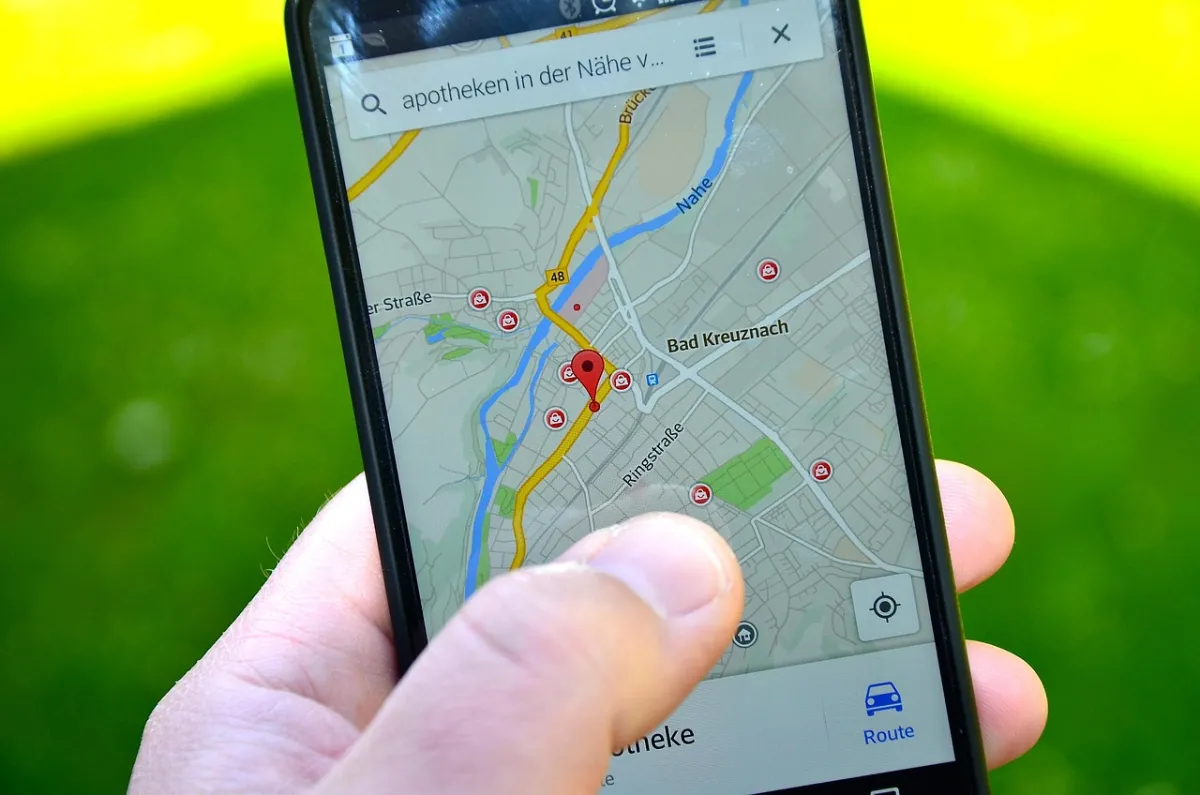
This is one of the most important things to prepare. Because of restrictions on exporting map data and other factors, the navigation features of some global map apps — especially walking and driving directions — often work only partially in Korea. That's why most travellers in Korea use map apps made by Korea's major portals.
- They provide accurate public transport routes, walking directions, subway exit information and real-time bus arrivals.
- You can also check opening hours and reviews for restaurants, cafés and attractions.
- Some support English and other languages, but searching for places by their Korean name often gives more accurate results.
Install the app before you leave and get used to it. Saving your accommodation and places you want to visit as favourites is handy.
Subway apps
Apps for subway maps, transfer routes, journey times and first and last train times in Seoul, Busan and other big cities are especially useful on Seoul's complex, interconnected network.
Taxi-hailing apps
Taxi-hailing apps let you enter your pick-up point and destination in the app, reducing the need to communicate with the driver. Some offer versions for foreign tourists or accept overseas cards. Whether you can register a foreign phone number or card differs by app, so check in advance.
Translation apps
Translation apps are useful for photographing menus, signs and ingredient lists to translate, or translating conversations by voice. It's worth also installing a Korean translation app known for its strength in Korean. Downloading offline language packs helps in emergencies without an internet connection.
Delivery apps
Korea's delivery culture is highly developed, so you can order fried chicken, tteokbokki, jjajangmyeon and much more to your accommodation. But delivery apps often require a Korean phone number or local payment methods, which can make them difficult for foreigners. Check whether foreigners are supported, or ask your accommodation's staff for help.
Train and bus booking apps
High-speed and regular trains and express buses can be booked on official apps or websites, often available in foreign languages. They sell out early at weekends and holidays, so book ahead.
Tourism information apps
Apps and websites from official bodies such as the Korea Tourism Organization offer information on sights, festivals and events in many languages.
Essential apps at a glance
| Category | Use | Prep tip |
|---|---|---|
| Maps | Directions, public transport, finding places | Install a Korean map app; save your accommodation |
| Subway | Route maps, transfers, last-train times | Check lines for each city |
| Taxi | Hailing taxis, entering destinations | Check whether foreign cards and numbers can be registered |
| Translation | Menus, signs, conversations | Download offline language packs |
| Transport booking | KTX and express bus tickets | Book ahead in peak season |
| Delivery | Food delivery | Check whether foreigners can use it |
3. Mobile data: internet is essential
You'll need data for maps and translation. Your options:
| Option | Pros | Cons |
|---|---|---|
| USIM | Plenty of data, relatively cheap; some plans include a Korean number | You have to remove your own SIM |
| eSIM | Installed without swapping SIMs; can be activated before departure | Requires a compatible phone |
| Pocket Wi-Fi | Can be shared by several people | A device to carry, charge and return |
| Roaming | Convenient with no preparation | Can be expensive |
A USIM with a Korean phone number can be useful for verifying taxi or delivery apps and for confirmation calls. You can pick one up at the airport or buy online in advance. Many cafés, subway stations and public places offer free Wi-Fi.
4. Payments and money
- Credit cards: card payment is extremely common in Korea. Bring a card with low foreign transaction fees. Some shops may not accept foreign cards, so it's best to carry two or more.
- Cash: traditional markets, street stalls, some small shops and transport card top-ups may require cash, so carry a little.
- Transport cards: buy and top up at convenience stores. There are tourist transport cards and rechargeable prepaid cards for foreign visitors. Top-ups are often cash only.
- Mobile payments: some internationally used mobile payment services work in certain stores.
- ATMs: withdraw cash at convenience-store and bank ATMs marked "foreign cards" or "Global ATM".
- Tipping: Korea generally has no tipping culture.
5. Electricity and devices
- Voltage: Korea uses 220 V, 60 Hz.
- Plugs: plugs with two round pins (types C and F). If your country uses a different type, bring an adapter.
- Power bank: heavy use of maps and translation drains batteries fast, so a power bank is essential. Power banks are usually allowed only in carry-on luggage on flights, so check the rules.
6. Useful numbers and safety information
| Number | Use |
|---|---|
| 112 | Police (crime, lost property, emergencies) |
| 119 | Fire and ambulance (fires, medical emergencies) |
| 1330 | Tourist helpline (travel information and interpreting help in several languages) |
- Safety: Korea is known as a relatively safe country, but basic caution is still wise. Keep an eye on your belongings in crowded places.
- Lost property: if you lose something on the subway or in a taxi, contact the lost-and-found centre or the police. Taxi items are easier to recover with a receipt or app record.
- Emergency alerts: phones connected to Korean networks may receive safety alert texts about heavy rain, heatwaves, earthquakes and so on.
- Embassy details: note your country's embassy contact details.
- Clinics and pharmacies: pharmacists can advise on minor symptoms. Bring basic medicines, and if you take regular medication, carry a prescription in English.
7. Handy everyday information
- Waste separation: Korea is strict about recycling. Follow your accommodation's instructions for separating general waste, recycling and food waste. There aren't many bins on the street.
- Toilets: public toilets are widely available in subway stations, parks and malls.
- Convenience stores: many are open 24 hours for snacks, water, some basic medicines, transport card top-ups and more.
- Water: most restaurants serve water free.
- Smoking: indoors and many public places are non-smoking. Use designated smoking areas.
- Public transport etiquette: leave seats for the elderly and pregnant women free, and avoid loud phone calls.
8. Packing checklist
| Category | What to pack |
|---|---|
| Documents | Passport, K-ETA or visa (if applicable), flight tickets, accommodation confirmations, travel insurance details |
| Money | Two or more credit cards, some cash |
| Electronics | Phone, charger, plug adapter, power bank |
| Connectivity | USIM, eSIM or pocket Wi-Fi booked |
| Apps | Korean map, subway, translation and taxi apps installed |
| Clothes | Seasonal clothing, comfortable shoes, a layer to put on |
| Health | Basic medicines, regular medication, masks |
| Other | A small bag or tote, umbrella, water bottle |
9. Final checks before departure
- Check passport validity and entry requirements (visa, K-ETA)
- Save flight and accommodation bookings (viewable offline too)
- Install essential apps and learn to use them
- Arrange mobile data
- Check that your cards work abroad
- Check how to get from the airport to your accommodation
- Check the weather and public holidays during your visit
Frequently asked questions
Can't I just use my usual map app?
Some features, such as searching for places, may work, but navigation is often limited. We strongly recommend installing a Korean map app as well.
Can I travel without speaking Korean?
Yes. Subways and sights in big cities have good signage in English and other languages, and with translation apps and the 1330 tourist helpline you can travel without major difficulty. Still, learning basics such as 안녕하세요 (hello), 감사합니다 (thank you) and 이거 주세요 (this one, please) makes the trip far more enjoyable.
When should I apply for a K-ETA?
If you need one, apply on the official website well before departure, as processing can take time. Rules and exemptions can change, so check the latest information.
Final thoughts
The joy of travel begins with the preparation. As you gather documents, install apps and save the places you want to go one by one, your heart will already be wandering Seoul's alleys.
Prepare carefully with this checklist, and in Korea spend your time full of excitement rather than worry. Have a safe and wonderful trip!