The Complete Guide to Korean Dosirak: Lunchbox Culture from School Days to Convenience Stores, the Retro Shaken Lunchbox, Picnic Boxes, Classic Side Dishes, Packing Tips and a Home Dosirak Recipe
Dosirak, the Korean packed lunch, is much more than food in a box. It carries memories of school days, spring picnics and office lunches, and today it fills entire shelves in Korean convenience stores. This guide explains the history of dosirak, the retro shaken lunchbox, picnic and character boxes, convenience-store lunches, the classic side dishes that go inside and how to pack a balanced, safe Korean lunchbox at home, with a step-by-step recipe.

Contents
- What is dosirak?
- A short history of Korean lunchboxes
- The retro yellow lunchbox and the "shaken lunchbox"
- Types of dosirak at a glance
- Picnic dosirak and special days
- Character dosirak
- Convenience-store dosirak
- Dosirak in office life
- The classic dosirak side dishes
- How to build a balanced dosirak
- Food safety when packing a lunchbox
- Choosing a lunchbox container
- Step-by-step home dosirak recipe
- Dosirak etiquette and sharing
- Dosirak in dramas, films and pop culture
- Regional and travel dosirak
- Tips for making dosirak a habit
- Seasonal dosirak ideas
- Rice-bowl dosirak and dietary options
- Frequently asked questions
- Final thought: a meal packed with care
Ask Koreans about dosirak (도시락) and many will start telling stories rather than recipes. They remember the dented metal lunchbox their mother packed for school, the rolled omelette they traded with a friend, the kimbap and fruit boxes carried on spring picnics and the late-night convenience-store lunch eaten during exam season. The word simply means a packed meal, but in Korea it carries a surprising amount of feeling.
This guide explores dosirak from every angle: where the tradition comes from, how school lunchboxes changed over the decades, the playful retro "shaken lunchbox", the elaborate boxes made for picnics and special days, the convenience-store dosirak that many people eat today and the classic side dishes that make a Korean lunchbox recognisable. At the end, you will find practical packing tips and a simple recipe for a home dosirak. If you enjoy Korean picnic food, our complete guide to kimbap is a natural companion to this article.
What is dosirak?
Dosirak is the Korean word for a packed meal, usually carried in a box and eaten away from home. A typical dosirak contains rice and several side dishes arranged in compartments, much like a small version of a Korean home table. The idea is not a single dish but a balanced meal: something filling, something with protein, some vegetables and often a little kimchi.
The word also refers to the container itself. People say they are "packing a dosirak" or "buying a dosirak", and the same word covers a plastic box from a convenience store, a stainless steel container from home and a beautifully arranged picnic box for a special day.
A short history of Korean lunchboxes
People in Korea have carried food on journeys and to work in the fields for centuries, often wrapped in cloth or packed in woven containers. The modern lunchbox culture, however, is closely tied to schools. For much of the twentieth century, students brought lunch from home every day, and the dosirak became part of daily life for families.
In the decades after the Korean War, many families had little, and a lunchbox could show differences between households. Some schools even checked lunchboxes during periods when the government encouraged people to mix barley and other grains with white rice to save rice. These memories appear often in Korean dramas and films set in the 1960s to 1980s.
From the 1990s onwards, school meal programmes gradually expanded across the country, and by the 2010s most students ate lunch at school cafeterias. Packing a lunchbox every morning became less common for parents, but the dosirak did not disappear. It moved to picnics, field trips, offices, hospitals, train journeys and, above all, convenience stores.
The retro yellow lunchbox and the "shaken lunchbox"
One image symbolises old-fashioned Korean lunchboxes more than any other: the rectangular yellow aluminium box. In winter, classrooms with coal or wood stoves allowed students to stack their lunchboxes on top of the stove to warm them, and the smell of toasted rice and kimchi filling the classroom is a well-loved memory for older generations.
From this nostalgia came the "shaken lunchbox", known as 흔들어 도시락 (heundeureo dosirak). Many retro-style restaurants and pubs serve it today. The box is filled with rice, stir-fried kimchi, small fried sausages, a fried egg, seasoned seaweed flakes and sometimes a little gochujang. The diner closes the lid and shakes the box hard so that everything mixes together, then eats it straight from the box. It is part meal and part performance, and it remains a popular choice for groups of friends.
Types of dosirak at a glance
| Type | Where you find it | Typical contents |
|---|---|---|
| Home dosirak | Packed at home for work or school | Rice, rolled omelette, namul, stir-fried anchovies, kimchi |
| Shaken lunchbox | Retro restaurants and pubs | Rice, kimchi, sausage, fried egg, seaweed flakes |
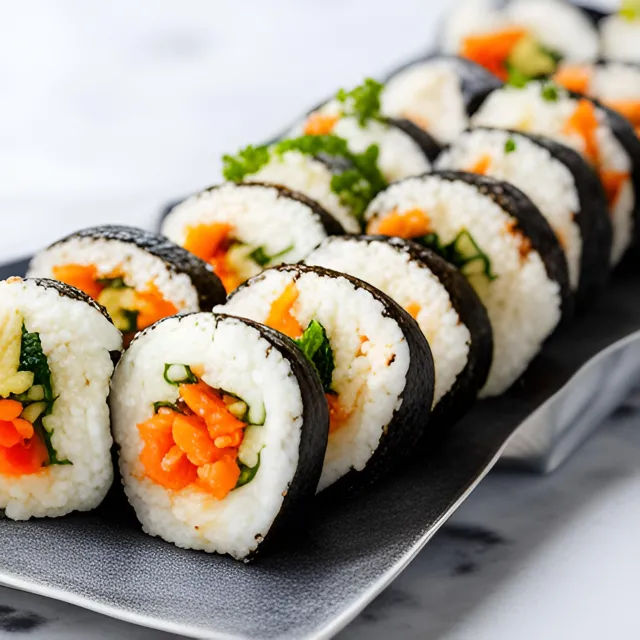
| Picnic dosirak | Spring outings, sports days, field trips | Kimbap, fried chicken, fruit, rice balls, sandwiches |
| Character dosirak | Made by parents for children's events | Rice and side dishes shaped like animals or characters |
| Convenience-store dosirak | Convenience stores across the country | Rice with several hot side dishes, ready to microwave |
| Specialist dosirak shops | Takeaway lunchbox chains and local shops | Freshly made boxes such as bulgogi, chicken mayo or pork cutlet |
| Train and travel dosirak | Stations and long journeys | Regional dishes in compact boxes |
Picnic dosirak and special days
For many Koreans, the most exciting dosirak was the one packed for a special day. School field trips (소풍, sopung) and sports days were occasions when parents prepared something extra: kimbap rolled early in the morning, fried chicken, boiled eggs, fruit, snacks and a drink. Children often compared their boxes with friends, and sharing food was part of the fun.
Adults continue this tradition during cherry blossom season, autumn foliage trips and family outings to parks and riverbanks. A picnic box may include kimbap, inari rice pockets, small rice balls, sandwiches, fried foods and cut fruit, often arranged in tiered boxes wrapped in cloth. Our guide to Korean pancakes includes several jeon that travel well and appear in picnic boxes.
Character dosirak
Character lunchboxes, sometimes called 캐릭터 도시락, are boxes in which rice, eggs, vegetables and seaweed are shaped into animals, faces or popular characters. Parents may prepare them for kindergarten picnics or children's birthdays, and some fans make them for idol birthdays or fan events, often sharing photos online. Making one takes time and patience, but the basic tools are simple: small cutters, a sharp pair of kitchen scissors, seaweed for eyes and mouths, and ingredients with bright natural colours such as egg, carrot, broccoli and ham.
Convenience-store dosirak
Today, the most common dosirak in Korea is probably the one sold in convenience stores. These boxes usually contain rice and several side dishes, such as stir-fried pork, fried chicken pieces, a small rolled omelette, japchae noodles, kimchi and vegetables. Customers heat them in the store's microwave and eat at the counter by the window or take them back to the office or dormitory.
Convenience-store dosirak became popular because they are affordable, quick and widely available, and stores constantly release new versions, including boxes created with chefs or celebrities. For visitors, they are an easy way to taste several Korean side dishes at once. Our traveller's guide to Korean convenience stores explains how to use the microwaves, hot water and seating areas.
Dosirak in office life
Korean office workers often eat lunch together at nearby restaurants, but packed lunches have become more popular in recent years for several reasons: rising restaurant prices, the wish to eat more healthily and a desire for a quieter lunch break. Some people prepare meals for several days at once on the weekend, while others buy freshly made boxes from specialist dosirak shops. Office pantries with microwaves and fridges make this easy.
Lunchbox delivery services have grown as well. Some companies order boxed lunches for meetings, training sessions or busy days, and many neighbourhoods have small shops that prepare dosirak each morning for nearby offices, hospitals and construction sites. Students preparing for exams often rely on dosirak too, eating quickly in study cafés or libraries so that they can return to their books. In all these settings, the appeal is the same: a complete, familiar meal that can be eaten almost anywhere, at a predictable cost, without waiting in a crowded restaurant at noon.
The classic dosirak side dishes
A home dosirak usually combines rice with a few side dishes that stay tasty at room temperature and do not leak. Many of them are also part of everyday banchan, which you can read about in our guide to Korean banchan.
Rolled omelette (gyeran-mari)
Thin layers of beaten egg are rolled in a pan, often with chopped carrot, spring onion or seaweed. Sliced into neat pieces, it is the most popular lunchbox item of all.
Stir-fried anchovies (myeolchi-bokkeum)
Small dried anchovies are stir-fried with a little oil, soy sauce and sugar or syrup, sometimes with nuts. Crunchy and slightly sweet, they keep well for several days in the fridge.
Sausage stir-fry
Small sausages, often cut into "octopus" shapes, are stir-fried with ketchup and vegetables. This is a nostalgic favourite from childhood lunchboxes.
Seasoned vegetables (namul)
Blanched spinach, bean sprouts or other vegetables seasoned with sesame oil, garlic and salt add colour and freshness.
Braised and stir-fried dishes
Soy-braised potatoes, braised lotus root, stir-fried fish cakes and stir-fried pork are popular because they are flavourful and hold their texture.
Kimchi
A small portion of kimchi completes many Korean lunches. It is usually packed in a separate, tightly sealed container so that its smell and liquid do not spread.
How to build a balanced dosirak
- Rice or grains: about half of the box, often white rice or rice mixed with grains.
- Protein: egg, tofu, meat, fish or beans.
- Vegetables: at least one or two kinds, such as namul or stir-fried vegetables.
- Something savoury or crunchy: stir-fried anchovies, seaweed or a small braised side dish.
- Kimchi or pickles: in a separate small container.
- Fruit: optional, packed separately to keep it fresh.
Colour is a useful guide. A box with yellow egg, green vegetables, red or orange carrot or kimchi and white rice usually looks appetising and tends to be balanced.
Food safety when packing a lunchbox
Because a dosirak is often eaten several hours after it is packed, handling food safely matters. Cook food thoroughly, let hot food cool before closing the lid so that steam does not collect, and keep the box in a fridge or an insulated bag with an ice pack if possible. Avoid packing foods that spoil easily in warm weather, such as raw seafood or dishes with lots of mayonnaise, unless you can keep them cold. Wash containers well after each use. If the food smells or looks unusual, do not eat it. General food safety guidance from your local health authority is a good reference, especially in summer.
Choosing a lunchbox container
Korean kitchen shops sell lunchboxes in every style. Stainless steel boxes are durable and easy to clean, glass containers are popular for reheating at work, and plastic boxes with several compartments are light and convenient. Insulated lunch jars keep soup or rice warm for hours, which is useful in winter. Tiered boxes wrapped in cloth, known as bojagi, are a classic choice for picnics and gifts. Choose a container that seals well and suits the way you plan to eat, whether that means reheating, eating cold or keeping food warm.
Step-by-step home dosirak recipe
This simple dosirak serves one person and includes rice, a rolled omelette, stir-fried anchovies, spinach namul and kimchi. The anchovies and spinach can be made the night before.
Ingredients
- 1 bowl of cooked rice
- 2 eggs, a pinch of salt, 1 tablespoon finely chopped carrot and 1 tablespoon chopped spring onion
- A handful of small dried anchovies, 1 teaspoon soy sauce, 1 teaspoon syrup or sugar, a little cooking oil and sesame seeds
- A handful of spinach, a little minced garlic, a pinch of salt and a few drops of sesame oil
- A small portion of kimchi
Method
- Spinach namul: blanch the spinach briefly in boiling water, rinse in cold water, squeeze out the water and mix with garlic, salt and sesame oil.
- Stir-fried anchovies: toast the anchovies in a dry pan for a minute, add a little oil, then the soy sauce and syrup. Stir quickly over low heat, turn off the heat and sprinkle with sesame seeds.
- Rolled omelette: beat the eggs with salt, carrot and spring onion. Pour a thin layer into an oiled pan over low heat, roll it when half set, then add more egg and keep rolling. Let it rest and slice it.
- Cool everything: let the rice and side dishes cool to room temperature.
- Pack: place rice in the largest compartment, then arrange the omelette, anchovies and spinach. Put kimchi in a separate sealed container.
- Store: keep the box cool until lunchtime and reheat the rice if you prefer it warm.
Dosirak etiquette and sharing
Sharing food is a natural part of Korean lunch culture. Colleagues or classmates often place their boxes in the middle and try each other's side dishes. If you join such a lunch, it is polite to offer your own food as well. Eating strongly smelling food in shared offices or on public transport can bother others, so many people eat in pantries, break rooms or outdoors. Our guide to Korean table manners covers other customs that also apply at shared lunch tables.
Dosirak in dramas, films and pop culture
Lunchboxes appear often in Korean dramas, especially in school stories and retro series. A character warming a lunchbox on a classroom stove, a mother secretly adding an extra egg or a shy student leaving a lunchbox for a classmate are familiar scenes that instantly signal care and affection. In fan culture, fans sometimes send catering or lunchboxes to film sets and music show studios as a gesture of support. These scenes show why dosirak is about much more than convenience: it often means "someone is thinking of you".
Regional and travel dosirak
Train travel has its own lunchbox tradition. Station shops and some trains have sold boxed meals for decades, and some stations are known for regional specialities. Many travellers also pick up kimbap or a dosirak before a long journey. Packing your own box for a day trip is a good way to save money and to enjoy a meal with a view on a mountain path or by a river.
Tips for making dosirak a habit
If you would like to bring packed lunches more often, a little planning helps. Cook a few side dishes on the weekend that keep for several days in the fridge, such as stir-fried anchovies, braised potatoes or seasoned vegetables. Freeze portions of rice in individual containers and reheat them in the morning. Rotate two or three proteins during the week so you do not get bored, and keep a few simple extras, like seaweed snacks or cherry tomatoes, to fill gaps in the box. Over time, packing a dosirak can take only ten minutes in the morning.
Seasonal dosirak ideas
Korean cooking follows the seasons closely, and lunchboxes do too. In spring, fresh greens such as spinach, shepherd's purse or spring onions appear as namul, and picnic boxes with kimbap and fruit accompany cherry blossom outings. In summer, lighter boxes with cucumber side dishes, cold noodles packed separately from their sauce and plenty of fruit are popular, and keeping the box cold matters most. In autumn, sweet potatoes, mushrooms and braised lotus root bring warm colours to the box, and families pack bigger lunches for hikes among the autumn leaves. In winter, insulated jars of soup or porridge, warm rice and hearty stir-fried dishes make a lunch that feels comforting on a cold day.
Rice-bowl dosirak and dietary options
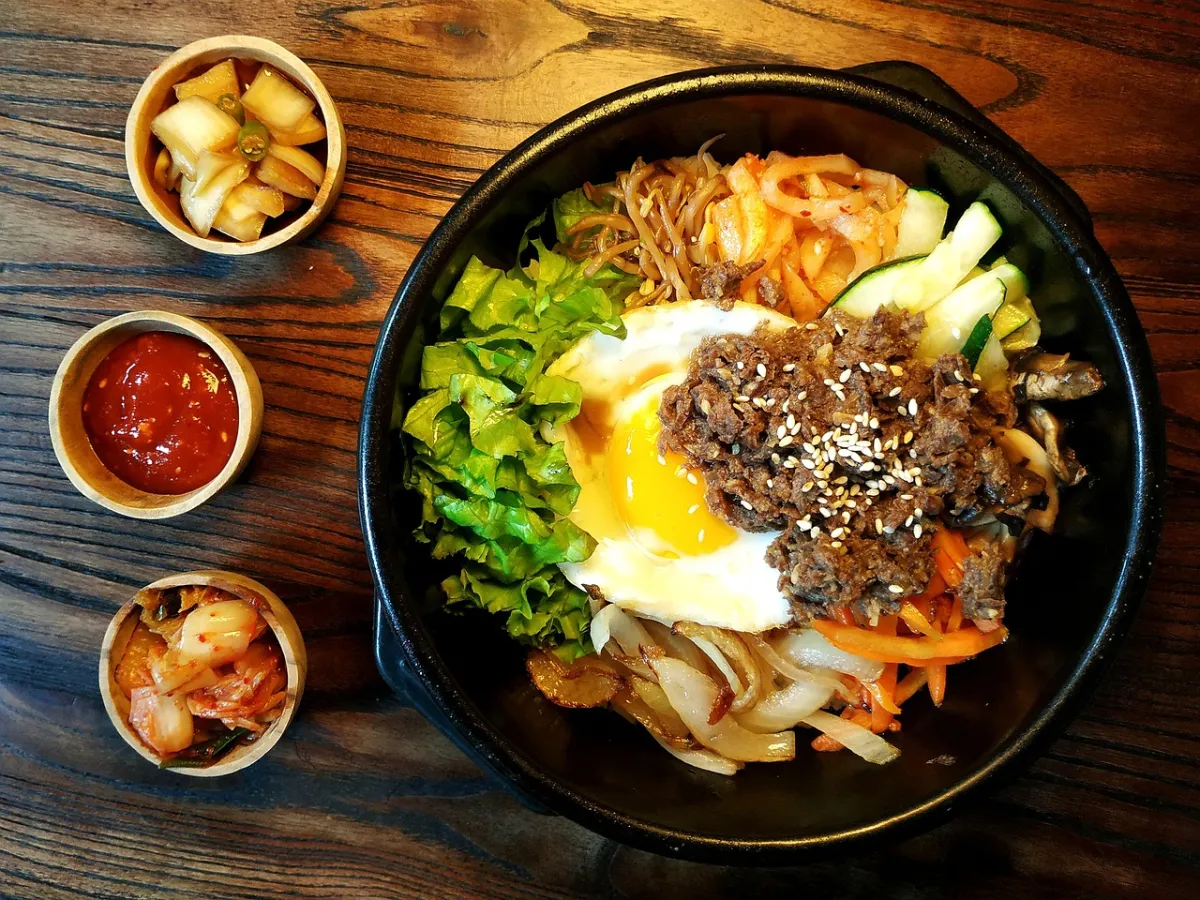
Not every dosirak needs many compartments. A rice-bowl lunchbox, with rice at the bottom and toppings arranged on top, is quicker to pack and easy to eat at a desk. Bibimbap-style boxes are especially popular: rice topped with several seasoned vegetables, a fried egg and a small container of gochujang sauce to mix in just before eating. Our complete bibimbap guide explains the vegetables and sauce in detail, and the same toppings work well in a lunchbox.
Dosirak is also easy to adapt for different diets. For a vegetarian box, replace meat and anchovies with tofu, eggs, stir-fried mushrooms and plenty of namul, and check that the kimchi you use does not contain fish sauce or salted seafood if you avoid them. For people with allergies, home-made dosirak gives full control over ingredients, while convenience-store and shop boxes usually list allergens on the label. Brown rice, mixed grains or smaller portions of rice with more vegetables are common choices for people who want a lighter lunch. If you have specific health or dietary needs, a doctor or registered dietitian can give advice suited to you.
Frequently asked questions
What is the difference between dosirak and bento?
Both are packed lunches in boxes, and they share a similar idea. A Korean dosirak usually reflects Korean home cooking, with rice, banchan-style side dishes and kimchi, while a Japanese bento reflects Japanese cuisine.
Do Korean students still bring lunchboxes to school?
Most students now eat school meals at school, so daily lunchboxes are less common. Packed lunches are still popular for field trips, sports days and special events.
Can I eat dosirak cold?
Many side dishes are designed to taste good at room temperature, and kimbap is usually eaten cold. Rice is often reheated, especially in winter.
Is a convenience-store dosirak a good choice for travellers?
Yes, it is an affordable and quick way to try several Korean side dishes. Check the label for ingredients if you have allergies or dietary restrictions.
How do I keep kimchi from smelling in my bag?
Use a small container with a tight seal, and consider placing it inside a zip bag for extra protection.
Final thought: a meal packed with care
Dosirak began as a practical way to carry food, but in Korea it became something more: a symbol of family care, school memories, spring picnics and quiet lunches during busy days. Whether it is a dented yellow box warmed on a classroom stove, a shaken lunchbox shared with friends, a convenience-store meal after a long shift or a carefully arranged box you pack for yourself, every dosirak tells a small story. Try making one with rice, a rolled omelette and a few simple side dishes, and you will taste a little of that story at home.