The Complete Guide to Kimbap: What Makes Korean Gimbap Different from Sushi, Classic Fillings, Popular Types from Tuna Mayo to Mayak and Chungmu Gimbap, Picnic Culture and a Step-by-Step Home Recipe
Kimbap is Korea's favourite portable meal: rice and colourful fillings rolled in seaweed and sliced into bite-sized rounds. This guide explains how kimbap differs from Japanese sushi rolls, the classic fillings and what each one adds, the most popular types you will find in Korea, the role of kimbap in picnics and school trips, where to eat it, and a detailed step-by-step recipe with tips for rolling, slicing and storing it at home.

Contents
- What is kimbap?
- Kimbap versus sushi rolls
- The classic fillings and what each one adds
- Popular types of kimbap
- Kimbap in Korean life: picnics, field trips and road trips
- Where to eat kimbap in Korea
- How to make kimbap at home
- Tips for perfect kimbap
- Storing and reheating kimbap
- Common mistakes when making kimbap
- Kimbap variations to try at home
- Useful Korean words for ordering kimbap
- How to eat kimbap: small customs and tips
- Frequently asked questions
- Final thought: a roll full of memories
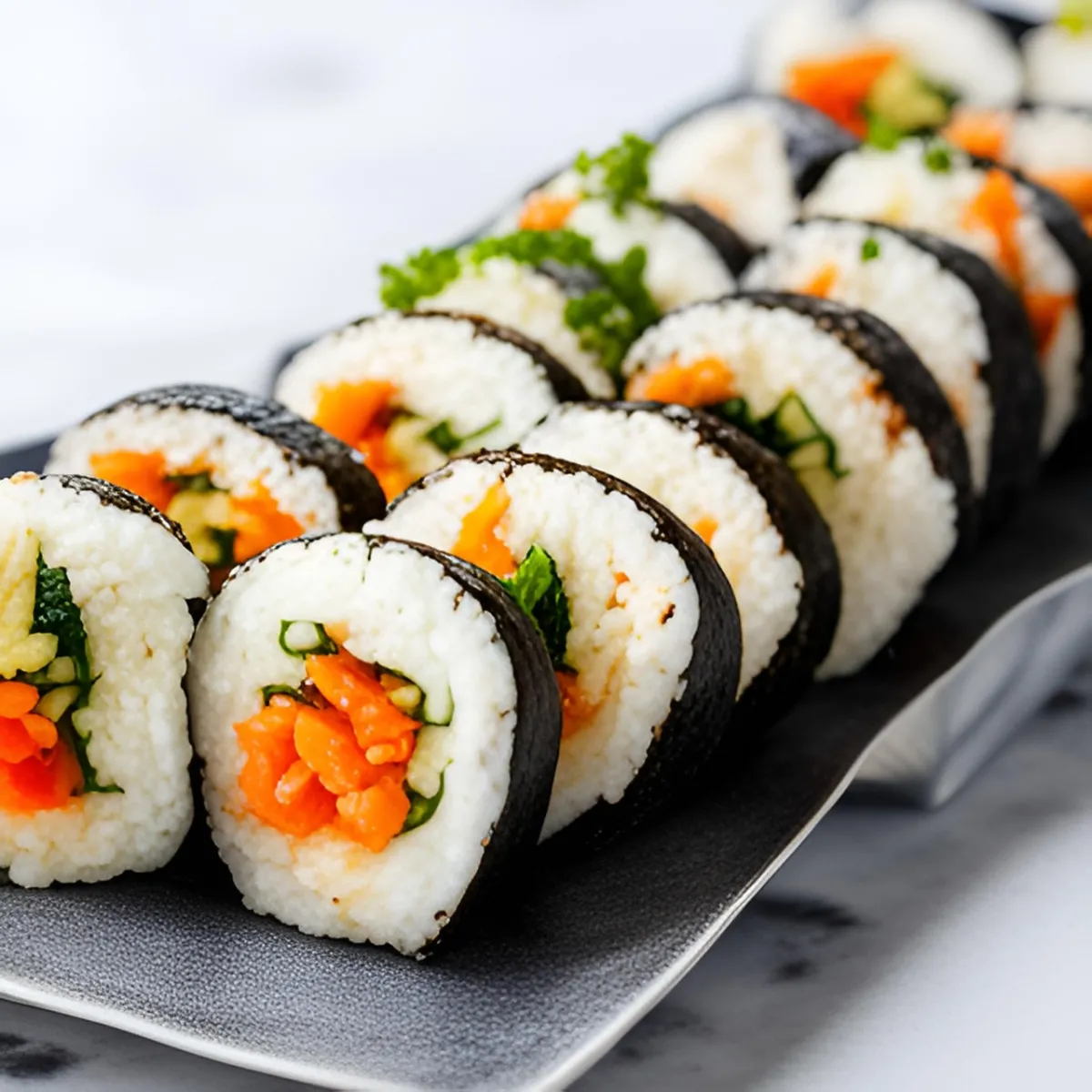
If there is one Korean dish that almost everyone has eaten on a bus, at a park, before an exam or on a long road trip, it is kimbap. Also written gimbap (김밥), it is made by spreading seasoned rice over a sheet of dried seaweed, laying colourful fillings on top, rolling it tightly and slicing it into neat rounds. Each slice shows a little mosaic of yellow, green, orange and white, and each one is just the right size to eat in a single bite.
Kimbap is cheap, filling and endlessly adaptable. You can buy a simple roll for breakfast at a neighbourhood snack shop, pick up a triangle-shaped version at a convenience store at midnight or spend a morning making a whole stack of rolls for a family picnic. This guide explains what makes kimbap distinctive, the classic fillings and popular varieties, its place in Korean daily life and how to make it at home, step by step.
What is kimbap?
The name is simple: 김 (gim) means dried laver seaweed, and 밥 (bap) means cooked rice. Kimbap is, quite literally, "seaweed rice". A standard roll is made with a full sheet of roasted seaweed, a layer of short-grain rice seasoned with sesame oil and salt, and a row of fillings that usually includes pickled radish, egg, vegetables and some kind of protein. The roll is cut into slices about 1 to 1.5 centimetres thick and eaten with chopsticks or fingers.
Kimbap is usually served at room temperature, which is one reason it is so popular as a packed meal. It is often eaten on its own, but in Korean snack restaurants it is commonly paired with tteokbokki, ramyeon or a light soup. Our guide to Korean street food shows how kimbap fits into the wider world of quick, affordable Korean food.
How to spell it: kimbap or gimbap?
Both spellings are common. "Gimbap" follows the official Revised Romanisation of Korean, while "kimbap" is an older spelling that is still widely used on menus and packaging. They refer to exactly the same dish, so you will see both throughout Korea and abroad.
Kimbap versus sushi rolls
At first glance, kimbap looks a lot like Japanese maki sushi, and the two are often compared. The resemblance is real, but the flavour and approach are quite different.
| Feature | Kimbap | Japanese maki sushi |
|---|---|---|
| Rice seasoning | Sesame oil and salt, sometimes sesame seeds | Rice vinegar, sugar and salt |
| Typical fillings | Cooked or pickled ingredients: egg, vegetables, ham, fish cake, beef, tuna | Often raw fish or seafood, along with vegetables |
| Number of fillings | Usually many, creating a colourful cross-section | Often one to a few ingredients |
| Dipping sauce | Usually eaten as it is, without soy sauce | Commonly dipped in soy sauce, often with wasabi |
| Seaweed finish | Often brushed with sesame oil and sprinkled with sesame seeds | Usually left plain |
| Typical occasion | Everyday meal, picnics, school trips, road trips | Restaurant meals and takeaway |
The origins of kimbap are debated. Some food historians link its modern form to Japanese rolled sushi introduced during the early 20th century, while others point to older Korean customs of wrapping rice in seaweed. What is clear is that kimbap developed its own identity, with Korean seasonings, Korean fillings and a strong place in Korean family life.
The classic fillings and what each one adds
A traditional "vegetable kimbap" (야채김밥, yachae gimbap) contains a combination of fillings chosen for colour, texture and flavour. Each ingredient is prepared separately before rolling, which is why making kimbap at home takes some time.
| Filling | How it is prepared | What it adds |
|---|---|---|
| Danmuji (단무지) | Yellow pickled radish, cut into long strips | Crunch, sweetness and a tangy contrast |
| Spinach | Blanched, squeezed and seasoned with sesame oil and salt | Green colour and a soft, savoury bite |
| Carrot | Julienned and briefly stir-fried with a pinch of salt | Bright orange colour and gentle sweetness |
| Egg | Beaten, cooked into a thick omelette and cut into strips | Yellow colour, softness and richness |
| Burdock root (우엉, ueong) | Braised in soy sauce and a little sugar | Earthy flavour and a pleasant chew |
| Fish cake (어묵, eomuk) | Cut into strips and stir-fried with soy sauce | Savoury depth |
| Ham or crab stick | Lightly pan-fried or used as it is | Pink colour and a familiar savoury taste |
| Cucumber | Cut into strips, sometimes salted lightly | Freshness and crunch |
You do not need every filling. Many home cooks choose five or six, making sure there is something crunchy, something soft, something salty and plenty of colour. Seasoned vegetables are also central to bibimbap, so if you have made bibimbap toppings before, you already know some of the techniques.
Popular types of kimbap
Walk into a Korean snack restaurant and you may see a menu with a dozen or more kinds of kimbap. Here are the ones you are most likely to meet.
Tuna mayo kimbap (참치김밥)
Canned tuna mixed with mayonnaise is placed on a perilla leaf or lettuce leaf inside the roll, along with the usual fillings. It is creamy, savoury and one of the most popular choices in snack restaurants.
Cheese kimbap (치즈김밥)
A slice or two of processed cheese is added to a vegetable kimbap. Children love it, and the cheese softens slightly against the warm rice.
Bulgogi kimbap (불고기김밥)
Sweet soy-marinated beef is cooked and rolled with the vegetables, creating a heartier roll that feels like a full meal.
Mayak gimbap (마약김밥)
These are small, thin rolls made with just a few fillings, such as carrot, spinach and pickled radish, and served with a tangy mustard and soy dipping sauce. The name literally means "drug kimbap", a playful way of saying they are so addictive that you cannot stop eating them. They are especially famous at Gwangjang Market in Seoul. Our guide to Seoul's traditional markets explains how to visit and what else to eat there.
Chungmu gimbap (충무김밥)
This style comes from Tongyeong, a port city on Korea's southern coast that was once called Chungmu. The rolls are thumb-sized and contain only rice, with no fillings at all. They are served with spicy seasoned squid or octopus and chunks of radish kimchi on the side. The story often told is that the rice and side dishes were kept separate so they would not spoil quickly for fishermen and travellers.
Triangle kimbap (삼각김밥)
Sold in every convenience store, this is a triangle of rice with a filling in the centre, wrapped in seaweed with a clever plastic film that keeps the seaweed crisp until you open it. Popular fillings include tuna mayo, spicy pork and bulgogi. Our convenience store guide explains how to open one without tearing the seaweed.
Nude kimbap and other modern styles
In "nude" kimbap, the rice is on the outside and the seaweed inside, much like an inside-out roll. Other modern styles include low-rice or rice-free rolls packed with egg and vegetables, rolls with fried pork cutlet, spicy squid or even avocado, and kimbap dipped in egg and pan-fried, a popular way to use leftovers.
Kimbap in Korean life: picnics, field trips and road trips
For many Koreans, kimbap is closely tied to memories of childhood. On school picnic and field trip days, known as 소풍 (sopung), parents traditionally got up early to roll kimbap and pack it in lunch boxes. The smell of sesame oil in the kitchen at dawn is a nostalgic image for a whole generation, and it often appears in dramas and essays.
Kimbap is also a classic road-trip and hiking food. It travels well, needs no heating and can be eaten without a table. Families take it to spring blossom festivals, autumn foliage trips and sports days. In everyday life, office workers grab a roll for a quick breakfast or lunch, and students eat it between classes or late at night while studying.
Kimbap on the table
At home, kimbap is often the star of a simple meal, served with a bowl of soup and a few side dishes. Our guide to Korean banchan explains the side-dish culture that often accompanies it. In snack restaurants, it is common to order kimbap together with tteokbokki or ramyeon and share everything at the table.
Where to eat kimbap in Korea
- Bunsikjip (분식집): casual snack restaurants that serve kimbap, tteokbokki, ramyeon and other quick dishes. They are found in almost every neighbourhood.
- Specialist kimbap shops: some shops focus on premium kimbap with generous fillings, unusual combinations or carefully sourced ingredients.
- Traditional markets: where you can try mayak gimbap and freshly rolled kimbap from market stalls.
- Convenience stores: for triangle kimbap and pre-packaged rolls, available 24 hours a day.
- Train stations and motorway rest areas: popular stops for travellers who want a quick, portable meal.
- Tongyeong: if you visit the southern coast, try Chungmu gimbap in the city where it began.
A basic roll in a snack restaurant is usually one of the most affordable meals in Korea, while premium rolls with special fillings cost more. Prices vary by region and shop.
How to make kimbap at home
Making kimbap at home is a satisfying project. It takes some preparation, but once the fillings are ready, rolling is quick and fun, and it is a great activity to do with friends or family.
Ingredients (for about 4 rolls)
- 4 sheets of roasted seaweed for kimbap (gim), full size
- About 4 cups of freshly cooked short-grain rice
- 1 to 1½ tablespoons of sesame oil, plus extra for brushing
- About ½ teaspoon of salt for the rice, adjusted to taste
- 1 tablespoon of toasted sesame seeds
- 4 strips of yellow pickled radish (danmuji)
- 1 bunch of spinach
- 1 medium carrot
- 3 eggs
- 4 strips of ham, crab stick or fish cake
- Optional: braised burdock root strips, cucumber strips or a slice of cheese for each roll
- A bamboo rolling mat (gimbal), if you have one
Step 1: prepare the rice
Cook short-grain rice slightly firmer than usual. While it is still warm, transfer it to a wide bowl and gently mix in the sesame oil, salt and sesame seeds with a rice paddle, using a cutting motion so the grains stay whole. Taste and adjust. Let it cool until it is just warm, not hot, so it does not make the seaweed soggy.
Step 2: prepare the fillings
Blanch the spinach briefly in boiling water, rinse it in cold water, squeeze out the water and season with a little sesame oil and salt. Julienne the carrot and stir-fry it for a minute or two with a pinch of salt. Beat the eggs with a pinch of salt, cook them into a thick omelette in a rectangular or round pan, let it cool and cut it into long strips. Lightly pan-fry the ham or fish cake. Pat the pickled radish dry with kitchen paper.
Step 3: lay out the seaweed and rice
Place a sheet of seaweed on the rolling mat, shiny side down and rough side up, with the long edge facing you. Spread about a cup of rice evenly over the seaweed, leaving a strip of about 3 to 4 centimetres uncovered at the far edge. Wet your fingers or use a little sesame oil on your hands to stop the rice sticking. Press gently; the rice layer should be thin and even.
Step 4: add the fillings
Arrange the fillings in neat lines across the rice, about a third of the way up from the edge nearest you. Keep them close together and centred, so that the roll is tight and the cross-section looks colourful when sliced.
Step 5: roll
Lift the edge of the mat nearest you and roll it over the fillings, tucking them in with your fingers. Press gently but firmly, then continue rolling forward, pulling the mat back as you go so it does not get rolled inside. When you reach the uncovered strip of seaweed, a few grains of rice or a dab of water will help seal it. Leave the roll seam side down for a minute.
Step 6: finish and slice
Brush the outside of the roll lightly with sesame oil and sprinkle with sesame seeds. Use a very sharp knife, wiping the blade with a damp cloth or a little sesame oil between cuts. Cut the roll into slices about 1 to 1.5 centimetres thick, using a gentle sawing motion rather than pressing straight down.
Tips for perfect kimbap
- Do not overload the rice. A thick layer of rice makes the roll heavy and hides the fillings.
- Dry your fillings. Wet spinach or pickled radish can make the seaweed soggy and the roll fall apart.
- Use warm rice, not hot. Hot rice shrinks the seaweed; cold rice does not stick well.
- Keep the knife clean and sharp. A blunt or sticky knife squashes the roll.
- Slice just before serving. Uncut rolls stay fresher and look neater.
- Think about colour. A mix of yellow, green, orange, white and pink makes the slices look appetising.
- Practise without worrying. The first roll is often a little loose. The second one is usually much better.
Storing and reheating kimbap
Kimbap is at its best on the day it is made. Rice dishes should not be left out at warm room temperature for long periods, so if you are taking kimbap on a picnic, keep it cool in an insulated bag and eat it within a few hours. On hot days, it is especially important to follow general food safety advice for cooked rice.
If you refrigerate kimbap, the rice becomes firm and dry. Many Koreans solve this by dipping leftover slices in beaten egg and pan-frying them until golden, which makes a warm, comforting snack. You can also warm slices briefly in a microwave, covered, though the texture of the seaweed will change.
Common mistakes when making kimbap
- Placing the seaweed rough side down, which makes the rice slide.
- Spreading rice all the way to the far edge, so the roll cannot seal.
- Using fillings that are too thick or uneven, which creates gaps in the roll.
- Rolling too loosely, so the slices fall apart.
- Slicing with a dull knife, which tears the seaweed.
- Forgetting to season the rice, which makes the roll taste flat.
Kimbap variations to try at home
Once you are comfortable with the basic roll, kimbap is a great way to experiment. Try mixing tuna with mayonnaise and placing it on a perilla leaf, adding kimchi that has been squeezed and lightly stir-fried, or rolling in strips of bulgogi. For a vegetarian roll, use braised tofu, mushrooms and extra vegetables instead of ham. For mayak gimbap, cut the seaweed into quarters, use only two or three fillings and serve with a dip made of soy sauce, a little sugar, vinegar and Korean mustard. If you enjoy experimenting with Korean flavours, our guide to Korean ramyeon shows another favourite combination: kimbap with a bowl of hot noodles.
Useful Korean words for ordering kimbap
- 김밥 한 줄 주세요 (gimbap han jul juseyo): "One roll of kimbap, please." Kimbap is counted in rolls, using the counter 줄 (jul).
- 포장 (pojang): takeaway. "포장해 주세요" means "Please wrap it to take away."
- 매장 (maejang): eating in.
- 단무지 빼 주세요 (danmuji ppae juseyo): "Please leave out the pickled radish."
- 오이 빼 주세요 (oi ppae juseyo): "Please leave out the cucumber."
- 썰어 주세요 (sseoreo juseyo): "Please slice it."
How to eat kimbap: small customs and tips
Kimbap is a relaxed, informal food, so there are few strict rules. Still, a few habits will help you enjoy it the way Koreans do.
- Eat each slice in one bite if you can. Slices are cut to be bite-sized, and biting them in half can make the fillings fall out.
- Use chopsticks or fingers. Both are normal. At a picnic, many people simply pick up slices with their fingers.
- Do not expect soy sauce. Most kimbap is seasoned already. The exception is mayak gimbap, which comes with its own mustard and soy dip.
- Share the end pieces. The two ends of a roll, where the fillings stick out, are known as 꽁다리 (kkongdari). Many people think they are the tastiest part, and family members sometimes compete for them while the rolls are being sliced.
- Pair it with something warm. A bowl of fish cake broth, a light soybean paste soup or ramyeon turns a roll of kimbap into a complete meal.
Frequently asked questions
Is kimbap the same as sushi?
No. They look similar, but kimbap rice is seasoned with sesame oil and salt rather than vinegar, and the fillings are usually cooked or pickled rather than raw fish.
Is kimbap eaten hot or cold?
It is usually eaten at room temperature, which makes it ideal for packed lunches and picnics. Leftover kimbap is often reheated by pan-frying it in egg.
Can I make kimbap without a bamboo mat?
Yes. A mat helps, but you can roll kimbap with your hands or with a sheet of baking paper or cling film. Roll slowly and press gently to keep it tight.
What is the yellow filling in kimbap?
The bright yellow strip is usually danmuji, a sweet and tangy pickled radish. The softer yellow strip is egg.
How long does kimbap keep?
Kimbap is best eaten on the day it is made. Keep it cool and follow general food safety advice for cooked rice. In the fridge, the rice becomes hard, so pan-frying leftovers in egg is a popular solution.
Can kimbap be vegetarian?
Yes. Simply leave out ham, fish cake and other animal products and add extra vegetables, braised tofu or mushrooms. Check the ingredients if you buy kimbap, as many shop versions contain ham or fish cake.
Final thought: a roll full of memories
Kimbap is one of those dishes that seems simple until you make it yourself, and then it becomes something special. Each roll is a small act of care: the rice seasoned just right, the vegetables prepared one by one, the fillings lined up so that every slice looks like a little flower. Whether you buy a roll from a snack shop on a busy morning or spend an afternoon rolling a stack for friends, kimbap carries the warmth of picnics, school trips and family kitchens. Once you have tasted a fresh, well-made roll, it is easy to understand why it remains one of Korea's best-loved foods.