Korean Rice (Bap) Explained: Short-Grain Rice, Japgokbap Multigrain Rice, How to Cook It in a Pot or Rice Cooker, Nurungji, Rice Etiquette and the Meaning of "Have You Eaten?"
Rice, or bap, sits at the centre of almost every Korean meal. This guide explains the short-grain rice Koreans eat, the many kinds of bap from white rice to japgokbap multigrain rice, how to wash, soak and cook rice in a pot or rice cooker, the crispy nurungji at the bottom of the pot, rice etiquette at the table and why "have you eaten rice?" is a greeting.

Contents
- What Is Bap?
- The Rice Koreans Eat: Short-Grain Japonica
- A Short History of Rice in Korea
- Kinds of Bap You Will Meet
- Bap at a Glance
- How to Wash and Soak Rice
- Cooking Rice in a Pot
- Rice Cookers and Pressure Rice Cookers
- Dolsotbap: Rice in a Stone Pot
- Nurungji and Sungnyung
- Rice at the Korean Table
- Small Etiquette Rules Around Rice
- Rice in the Korean Language
- Rice-Based Dishes Built on Bap
- Instant Rice and Convenience Culture
- Storing and Reheating Leftover Rice
- Common Mistakes and How to Fix Them
- Frequently Asked Questions
- Final Thoughts
Ask Koreans what a "real meal" is and many will give a version of the same answer: a meal needs bap. Barbecue, stews, side dishes and even fried chicken are wonderful, but without a bowl of rice somewhere on the table many people feel they have only had a snack. In Korean, the word bap (밥) means cooked rice, but it also simply means "a meal". A rice cooker humming in the corner of the kitchen is one of the most familiar sounds in Korean homes.
This guide looks at rice from every angle a curious reader might need: the type of rice Koreans eat and why it is sticky, the many kinds of bap from plain white rice to colourful multigrain japgokbap, how to cook it well in a pot, a rice cooker or a stone bowl, the crispy layer called nurungji, how rice behaves at the table, and how deeply the word has entered everyday Korean language. Along the way you will find practical tips for cooking rice at home and a few common mistakes to avoid.
What Is Bap?
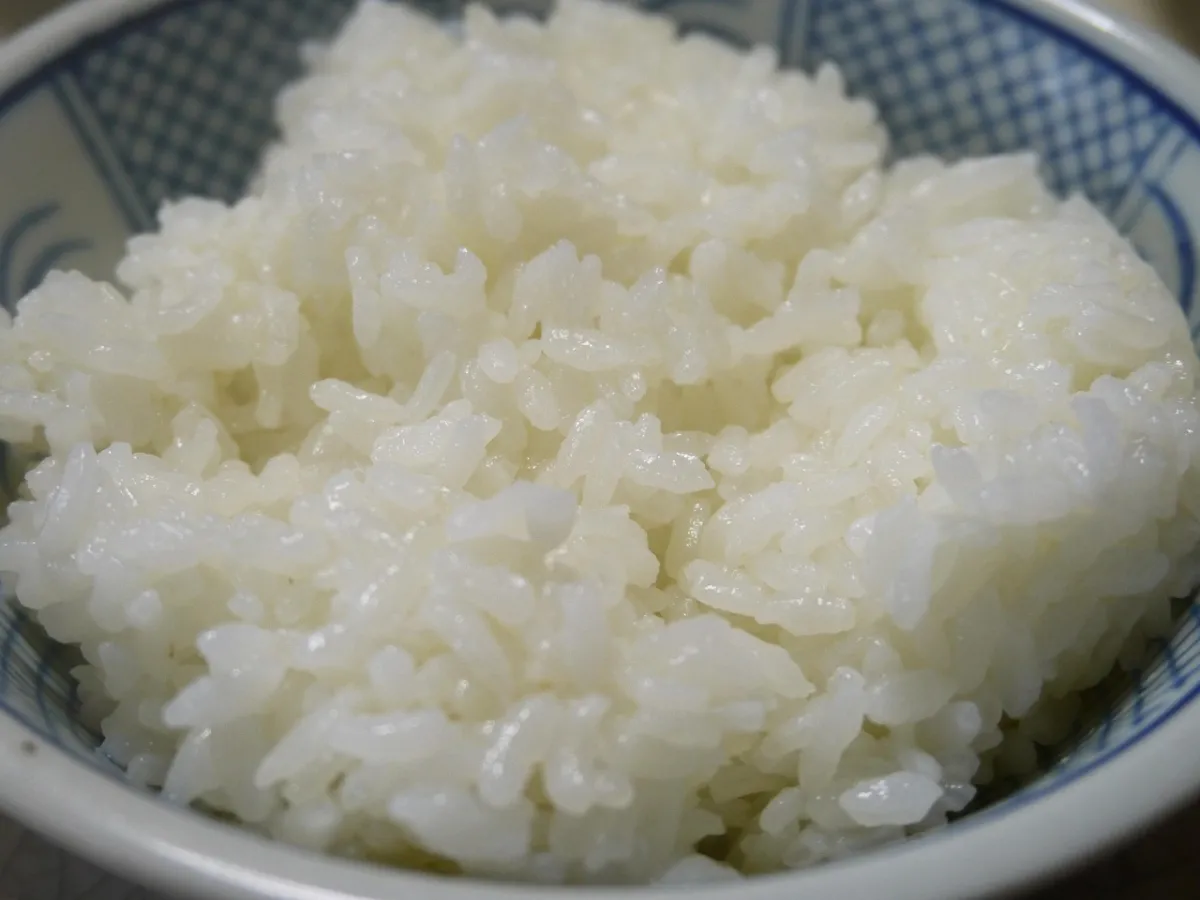
Bap is cooked grain — most often white rice — prepared by simmering or steaming it in a measured amount of water until all of the water is absorbed. Unlike pasta or some rice dishes in other cuisines, Korean rice is not boiled in a large pot of water and drained. The grains absorb exactly the water they are given, which keeps the starch inside the pot and produces the soft, slightly sticky texture Koreans expect.
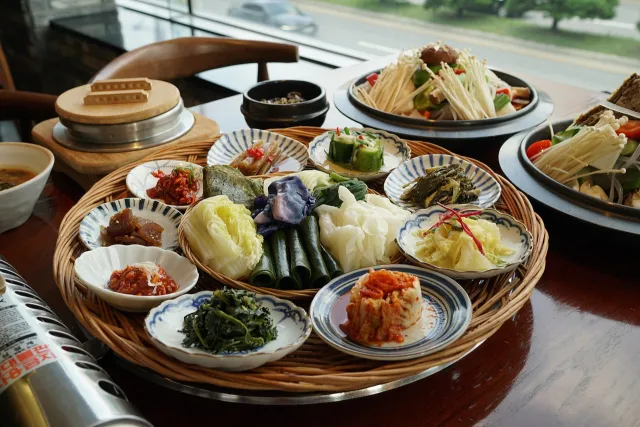
A bowl of bap is usually served plain. It is not salted, buttered or flavoured, because its job is to balance the strongly seasoned dishes around it. Kimchi, salty fish, spicy stews and soy-braised side dishes are all designed to be eaten with a spoonful of rice. In that sense rice is the quiet centre of the Korean table: everything else is called banchan, literally the dishes that go with rice. You can read more about them in our guide to Korean banchan.
The word also has a wider meaning. "Bap meogeosseoyo?" (밥 먹었어요?) — "Have you eaten rice?" — is used to ask whether someone has had a meal at all, and the phrase for a meal with friends, bap han beon meogeoyo ("let's eat rice sometime"), is an everyday way of suggesting a meet-up.
The Rice Koreans Eat: Short-Grain Japonica
Most rice eaten in Korea is short-grain or medium-grain japonica rice, called ssal (쌀) before it is cooked. The grains are rounder and plumper than long-grain varieties such as basmati or jasmine. They contain more of a starch called amylopectin, which makes cooked grains cling to each other gently. That stickiness is useful: rice can be picked up easily with a spoon or chopsticks, pressed into kimbap rolls or shaped into rice balls.
Korean rice is not the same as glutinous rice, although the two are related. Glutinous or "sweet" rice, called chapssal (찹쌀), is much stickier still and is used for rice cakes, some porridges and festive dishes, or mixed in small amounts with ordinary rice. Everyday rice is called mepssal (멥쌀).
Within Korea, rice is often sold by region and variety, and many shoppers have favourite growing areas. Freshness matters too: newly harvested rice from the autumn harvest, called haepssal (햅쌀), is prized for its aroma and moisture, and packages usually show the milling date. Outside Korea, look for bags labelled "short-grain", "sushi rice" or "Calrose" (a medium-grain variety) — any of these will give a very similar result.
A Short History of Rice in Korea
Rice has been cultivated on the Korean Peninsula for thousands of years, alongside millet, barley, beans and other grains. For much of history, however, white rice was precious. Many ordinary families ate it mixed with barley or other grains, or saved pure white rice for holidays, ancestral rites and special guests. Barley rice in particular is remembered by older generations as everyday food in hard years.
After the Korean War, rice shortages led the government to encourage people to eat mixed grains and flour-based food, and for a time schools even checked lunchboxes to make sure they contained some barley or other grains. As agriculture developed and harvests grew, white rice became affordable for everyone. Today the situation has almost reversed: rice consumption per person has fallen over the decades as diets have diversified, and many people now choose multigrain rice by preference rather than necessity.
That history explains why rice still carries emotional weight. For many older Koreans, a full bowl of white rice once meant comfort and security, and offering someone a meal remains one of the clearest ways to show care.
Kinds of Bap You Will Meet
Plain white rice is the default, but Korean homes and restaurants cook many other kinds of bap. Here are the ones you are most likely to see.
Ssalbap (쌀밥) – White Rice
Plain cooked white rice, also called huinbap (흰밥). It is soft, glossy and slightly sweet, and it is what you get with most restaurant set meals unless you ask otherwise.
Japgokbap (잡곡밥) – Multigrain Rice
White rice cooked with a mix of other grains and beans: brown rice, black rice, barley, millet, sorghum, glutinous rice, black beans, red beans and more. Supermarkets sell ready-mixed bags with names such as "five-grain" or "ten-grain". The texture is chewier and the flavour nuttier, and many families eat it every day.
Heukmibap (흑미밥) – Black Rice
Ordinary rice with a spoonful of black rice added. The black rice dyes the whole pot a pretty purple colour, which is why you will often see violet rice in Korean lunchboxes and cafeterias.
Boribap (보리밥) – Barley Rice
Rice cooked with barley. Today it is often eaten as a nostalgic dish in boribap restaurants, mixed in a large bowl with seasoned vegetables, doenjang stew and gochujang.
Kongbap (콩밥) – Bean Rice
Rice cooked with black soybeans or other beans. It is hearty and filling, and appears frequently on home tables.
Hyeonmibap (현미밥) – Brown Rice
Brown rice keeps its bran layer, so it is firmer and takes longer to cook. Many people mix it with white rice rather than eating it on its own.
Ogokbap (오곡밥) – Five-Grain Rice
A traditional five-grain rice eaten on Jeongwol Daeboreum, the first full moon of the lunar year, together with seasoned dried vegetables and nuts.
Sotbap (솥밥) – Pot Rice
Rice cooked to order in an individual pot, often with toppings such as mushrooms, chestnuts, seafood or vegetables. Sotbap restaurants have become very popular, and the pot usually leaves a crust that becomes sungnyung, described below.
Bap at a Glance
| Type | Main ingredients | Texture and flavour | When it is eaten |
|---|---|---|---|
| Ssalbap | White short-grain rice | Soft, glossy, mildly sweet | Every day, most restaurants |
| Japgokbap | Rice + mixed grains and beans | Chewy, nutty | Everyday home meals |
| Heukmibap | Rice + black rice | Slightly chewy, purple colour | Home meals, lunchboxes |
| Boribap | Rice + barley | Springy, earthy | Boribap restaurants, summer |
| Kongbap | Rice + beans | Hearty, savoury beans | Home meals |
| Ogokbap | Five grains incl. glutinous rice | Sticky, rich | Jeongwol Daeboreum |
| Sotbap | Rice + toppings in a single pot | Fragrant with a crispy base | Restaurants, special meals |
How to Wash and Soak Rice
Good bap starts before the heat is switched on. Washing removes loose starch and dust, and soaking lets water reach the centre of each grain so it cooks evenly.
- Measure the rice. A typical serving is about 80–100 g of uncooked rice per person.
- Wash gently. Cover the rice with cold water, swirl it with your hand and pour the cloudy water away quickly. The first water is absorbed fastest, so do not leave the rice sitting in it.
- Repeat two or three times. Rub the grains lightly between your palms, rinse and drain until the water is only slightly cloudy. It does not need to be perfectly clear.
- Soak. Soak white rice in fresh water for about 20–30 minutes; longer in winter, shorter in hot weather. Brown rice and multigrain mixes benefit from longer soaking, often an hour or more.
- Drain well. Drain the soaked rice before measuring the cooking water so you do not add extra liquid by accident.
The water left from the second or third rinse, called ssal-ddeumul (쌀뜨물), is often saved by Korean cooks as a base for doenjang stew. It adds a gentle body and helps soften the flavour of the soybean paste.
Cooking Rice in a Pot
You do not need special equipment to make excellent bap. A heavy pot with a tight lid works very well.
- Water ratio. For soaked white rice, use roughly the same volume of water as rice, or a little more — about 1 to 1.1 cups of water per cup of rice. Unsoaked rice needs about 1.2 cups. A traditional check is to place your fingertip on the rice: the water should reach about the first knuckle.
- High heat. Bring the pot to a boil over high heat with the lid on. This usually takes 5–7 minutes.
- Medium heat. When it boils, stir once to loosen the bottom, replace the lid and turn to medium for about 3–5 minutes until the surface water has mostly disappeared.
- Low heat. Turn the heat to the lowest setting and cook for about 10–12 minutes. Avoid lifting the lid.
- Rest. Switch off the heat and let the pot rest, covered, for 5–10 minutes. This steaming time finishes the grains evenly.
- Fluff. Gently turn the rice over from the bottom with a rice paddle so excess steam escapes and the grains do not clump.
If you would like a crust for nurungji, leave the pot on the lowest heat for an extra few minutes before resting, listening for a faint crackle.
Rice Cookers and Pressure Rice Cookers
Most Korean households cook rice in an electric rice cooker, and many use a pressure model. Pressure cookers reach slightly higher temperatures, which gives soft, glossy and sticky rice in a shorter time. They usually have separate settings for white rice, multigrain rice, brown rice, porridge and even "nurungji".
A few habits help regardless of brand:
- Use the cup that comes with the cooker. It is often smaller than a standard measuring cup, and the water lines inside the bowl are designed for it.
- Fill water to the line that matches the number of cups and the type of rice. Multigrain lines are usually higher.
- Fluff the rice soon after cooking finishes, then close the lid if you plan to keep it warm.
- Do not keep rice on "warm" for many hours. It slowly dries out, yellows and loses its aroma. Most Korean cooks prefer to freeze extra portions instead.
Dolsotbap: Rice in a Stone Pot
Dolsot (돌솥) are heavy stone bowls that hold heat for a long time. Rice cooked or served in them develops a golden crust at the bottom and stays hot throughout a meal. Many restaurants serve dolsotbap as part of a set meal: the server brings a sizzling stone bowl of rice, sometimes with chestnuts, jujubes and ginkgo nuts, and you transfer most of it into a separate bowl, then pour hot water or tea into the stone pot to make sungnyung for the end of the meal.
Stone pots are also used for dolsot bibimbap, in which the rice crisps against the hot stone while you mix it with vegetables and gochujang. If you want to know more about that dish, see our complete bibimbap guide.
Stone bowls should be heated and cooled gradually, and they should never be placed directly into cold water while hot, as they can crack. Many home cooks prefer a cast-iron pot, which produces a similar crust with less care.
Nurungji and Sungnyung
When rice is cooked over direct heat, a thin layer at the bottom of the pot toasts into a golden, crunchy sheet. This is nurungji (누룽지). In the days of large iron cauldrons it was an inevitable by-product, and children often fought over the crispy pieces as a snack. Today nurungji is sold in packets and eaten as a crunchy snack, used as a light breakfast or added to soups.
If you pour hot water over the crust and let it simmer for a few minutes, the toasted grains soften into a mild, nutty drink-like porridge called sungnyung (숭늉). In traditional meals it was served at the end to rinse the palate and finish the meal warmly, and many restaurants still offer it after a set meal.
At home you can make nurungji by spreading a thin layer of cooked rice in a non-stick pan and cooking it over low heat for 15–20 minutes until it releases as a crisp sheet.
Rice at the Korean Table
In a typical Korean meal, each person gets an individual bowl of rice and an individual bowl of soup, while side dishes are shared in the middle. Traditionally the rice bowl sits on the left and the soup on the right, with the spoon and chopsticks to the right of the soup.
Rice is mostly eaten with a spoon. Chopsticks are used to pick up side dishes, while the spoon carries rice and soup. It is normal to take a spoonful of rice and add a piece of kimchi or meat on top before eating. Unlike in some other East Asian countries, Koreans do not usually lift the rice bowl to the mouth; the bowl stays on the table.
Many dishes are built around mixing with rice: stews are spooned over it, side dishes are wrapped with it in lettuce leaves, and the end of a barbecue or hot-pot meal often involves frying rice in the leftover sauce. For more on how to behave at the table, see our guide to Korean table manners.
Small Etiquette Rules Around Rice
- Wait for elders. At family meals, younger people usually wait until the eldest person picks up their spoon before starting.
- Do not stand chopsticks or a spoon upright in rice. This resembles the way rice is offered at ancestral rites and is considered unlucky at an ordinary meal.
- Finish your rice if you can. Leaving a little food is acceptable, but many older Koreans were taught that wasting rice is disrespectful to the farmers who grew it.
- Ask for more politely. In restaurants, extra rice (gonggibap, 공기밥) is usually ordered separately for a small charge. Saying "gonggibap hana deo juseyo" asks for one more bowl.
- Serve others first. When rice is served from a shared pot, it is polite to fill elders' and guests' bowls before your own.
Rice in the Korean Language
Few foods appear in everyday Korean speech as often as rice. Some common examples:
- 밥 먹었어요? (Bap meogeosseoyo?) — "Have you eaten?" A friendly greeting that shows concern rather than a real question about food.
- 언제 밥 한번 먹어요 (Eonje bap hanbeon meogeoyo) — "Let's have a meal sometime." A warm, often casual way of ending a conversation.
- 밥맛 (bapmat) — literally "the taste of rice", but also "appetite". "Bapmat-i eopseoyo" means "I have no appetite".
- 밥값 (bapgap) — "the price of a meal", also used to mean doing one's share of work: "bapgap-eul hada", to earn one's keep.
- 진지 (jinji) — the honorific word for a meal when speaking about elders: "Jinji deuseyeosseoyo?" — "Have you eaten?" said to a grandparent.
Rice also has several names depending on its state: byeo (벼) for the rice plant and unhusked grain, ssal for husked uncooked rice, and bap for cooked rice — a small sign of how central the grain has been to daily life.
Rice-Based Dishes Built on Bap
Cooked rice is also the starting point for many well-known Korean dishes:
- Bibimbap — rice topped with seasoned vegetables, meat, egg and gochujang, mixed at the table.
- Kimbap — seasoned rice and fillings rolled in seaweed; see our complete kimbap guide.
- Bokkeumbap — fried rice, often with kimchi, egg and spam or vegetables.
- Deopbap — rice topped with a sauced dish, similar to a rice bowl.
- Jumeokbap — small rice balls mixed with seaweed flakes, sesame and other seasonings.
- Gukbap — rice served in or with hot soup, such as pork soup or beef soup.
- Juk — porridge made by simmering rice slowly; read more in our guide to Korean juk.
Instant Rice and Convenience Culture
Modern Korea has also embraced ready-made rice. Microwaveable rice in plastic bowls, known by the general term jeuksseokbap (즉석밥), is sold everywhere from supermarkets to convenience stores. It is cooked and sealed in factories, keeps at room temperature for months and heats in about two minutes. Single-person households, students and office workers rely on it, and many families keep a few in the cupboard for emergencies.
Convenience stores also sell triangle kimbap, rice bowls and packed lunches built on rice. Lunchboxes have their own long history in Korea; you can read about them in our guide to Korean dosirak.
Storing and Reheating Leftover Rice
- Cool it quickly. Do not leave cooked rice at room temperature for long. Spread it out to cool and refrigerate or freeze it within about an hour.
- Freeze in portions. Many Korean cooks pack warm (not hot) rice into flat portions in containers or wrap, then freeze them. Freezing while the rice is still moist keeps it soft.
- Reheat with steam. Microwave frozen rice with the lid slightly open or with a splash of water until it is steaming hot all the way through.
- Use day-old rice for fried rice. Refrigerated rice is drier and fries better than freshly cooked rice.
- Eat refrigerated rice within a day or two. When in doubt, follow local food safety guidance.
Common Mistakes and How to Fix Them
- Mushy rice. Too much water or too long a soak. Reduce the water slightly next time and drain soaked rice well.
- Hard centres. Not enough water or soaking. Sprinkle a few spoonfuls of water over the rice, cover and cook on the lowest heat for another 5 minutes.
- Burnt bottom. The heat was too high in the final stage or the pot is thin. Use the lowest heat and a heavier pot.
- Bland or stale taste. Old rice or rice stored near strong smells. Buy smaller bags, check the milling date and store rice in a cool, sealed container.
- Using long-grain rice. Basmati or jasmine rice will not give the soft, sticky texture of bap. Choose short- or medium-grain rice.
- Skipping the rest. Opening the pot right after cooking leaves the top grains wet and the bottom uneven. Always allow a few minutes of resting time.
Frequently Asked Questions
Is Korean rice the same as sushi rice?
They are very similar. Both are short- or medium-grain japonica rice, so "sushi rice" from an international supermarket works well for Korean bap. Sushi rice is simply seasoned with vinegar after cooking, while Korean rice is served plain.
Is Korean rice glutinous rice?
No. Everyday Korean rice (mepssal) is sticky but not glutinous. Glutinous rice (chapssal) is much stickier and is used for rice cakes and special dishes or mixed with ordinary rice in small amounts.
Do Koreans eat rice at every meal?
Many people still eat rice at least once or twice a day, but eating habits have changed. Bread, noodles and other foods are common, especially at breakfast, and rice consumption per person has decreased over the years.
What is the water ratio for Korean rice?
For soaked white rice cooked in a pot, about 1 to 1.1 cups of water per cup of rice is a good starting point. Unsoaked rice needs a little more. With a rice cooker, follow the water lines inside the bowl.
What is the purple rice served in Korean restaurants?
It is usually white rice cooked with a small amount of black rice (heukmi) or a multigrain mix. The black rice colours the whole pot purple.
How do I make nurungji at home?
Spread a thin layer of cooked rice in a non-stick pan and cook it over low heat for 15–20 minutes, until the bottom is golden and the sheet lifts away in one piece.
Final Thoughts
Bap may look like the simplest thing on a Korean table, but it carries centuries of farming, hardship, celebration and care. A bowl of glossy white rice, a purple multigrain mix or a pot of rice with a crunchy crust says something about the people who cook it: that a meal should be shared, that no one should leave hungry, and that asking "have you eaten?" is a way of saying "I care about you". Once you can wash, soak and cook short-grain rice well, almost every other Korean dish — from a simple stew to a full spread of banchan — becomes easier to enjoy at home.